The behaviour was never where anyone was looking.
A fridge at 10pm. Thirty seconds in a GP's room. A calm day nobody thought was worth reporting.
Nine projects, and the same finding each time. The plan rested on a moment, and the moment was somewhere off the map.
Surgery changes the body. It doesn't rearrange the shelves.
Bariatric surgery and the eating habits nobody designed for.
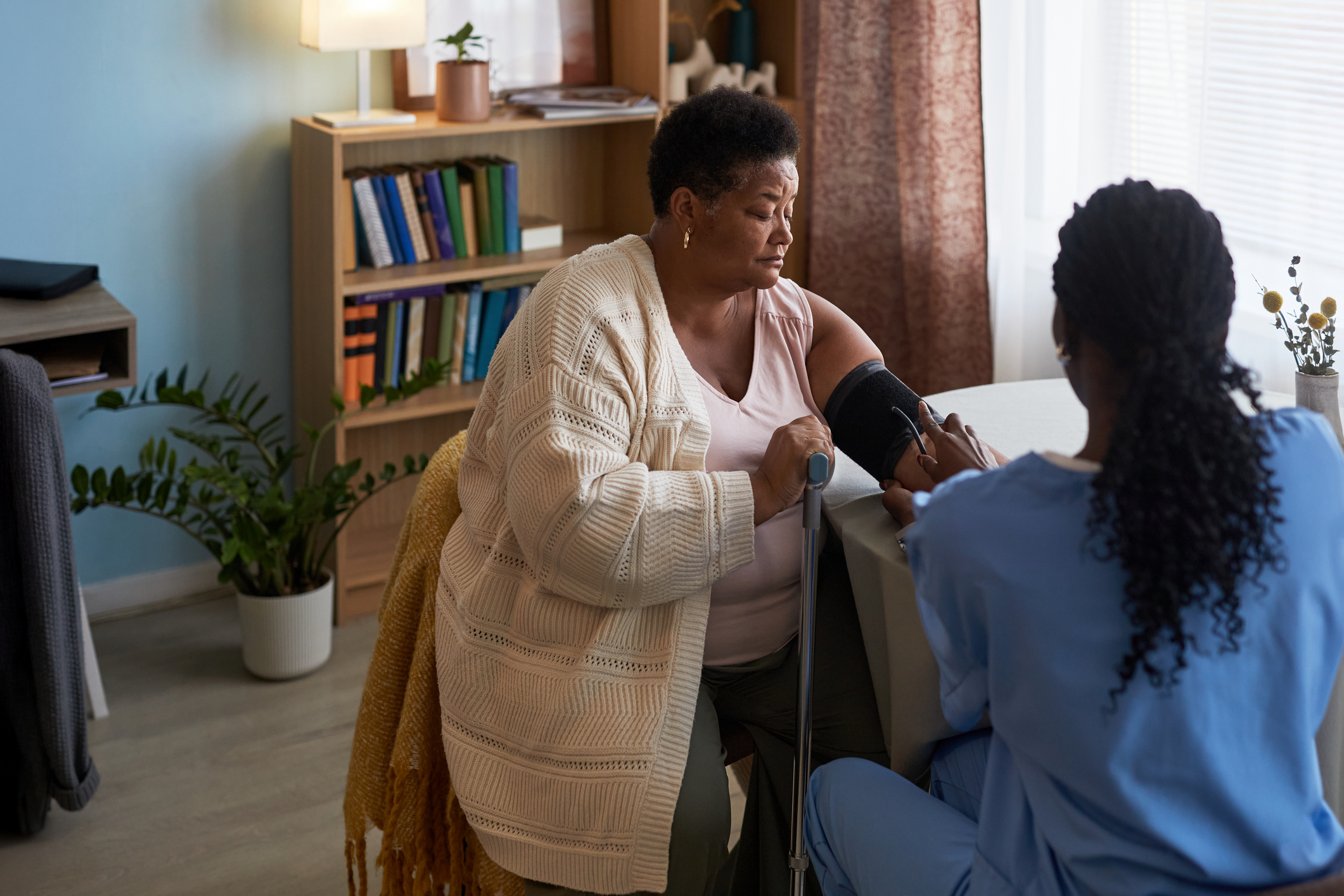
Bariatric surgery reshapes the stomach, and it is only around a third of the job. The rest is a person building eating habits that hold, which is what the MyHabeats app was built for.
The surgery is only around 30% of the work. The rest is behaviour change, so we need to get it right.
Patients loved the app for about three weeks. Then engagement dropped, and old eating habits quietly came back. The first instinct was the app itself. Onboarding friction, too many taps to log a meal, reminders landing at the wrong time. Some of that was real and worth fixing.
But three weeks is also the point where the specially designed food parcels from the health team run out. The patient is on their own, standing in front of an open fridge at 10pm, with the family's usual meals still on the shelves. They know what they should eat, and they want to follow through, and the kitchen has not changed.
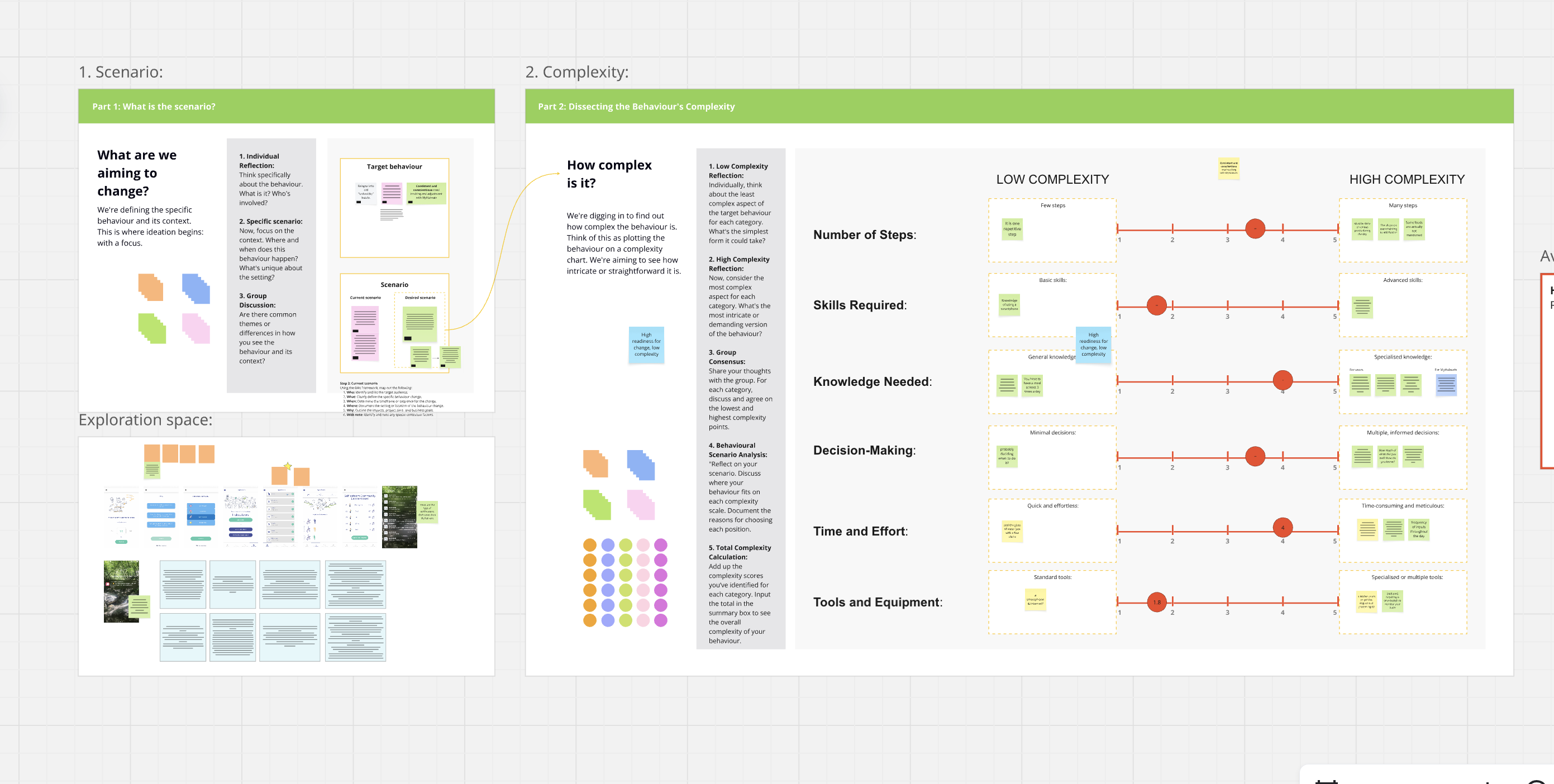
We ran three sprints with the team, each one looking at a different part of the arc. What has to be true before surgery for the new habits to take. How small changes compound once they do. And what triggers the slide back to the old ones, so it can be interrupted.
The fridge became part of the intervention. The team built prompts for fridge photos, so the support staff could respond to what was actually in the house. Family checklists for reorganising the kitchen before the patient came home. A pre-surgery dry run, where patients practise eating the new way while the fridge is gradually changed around them.
The team paused feature work and moved the strategy towards the moments that shape eating. They reported improved 90-day retention once they had.
Genuinely blew us away. Full of "why didn't we think of that?" moments.
Three behaviour sprints. In the room: the CEO, designers, a researcher, and a patient.
 2024
2024 The tools weren't the problem. Being seen using them was.
AI adoption that stayed uneven until the real barrier had a name.
2024 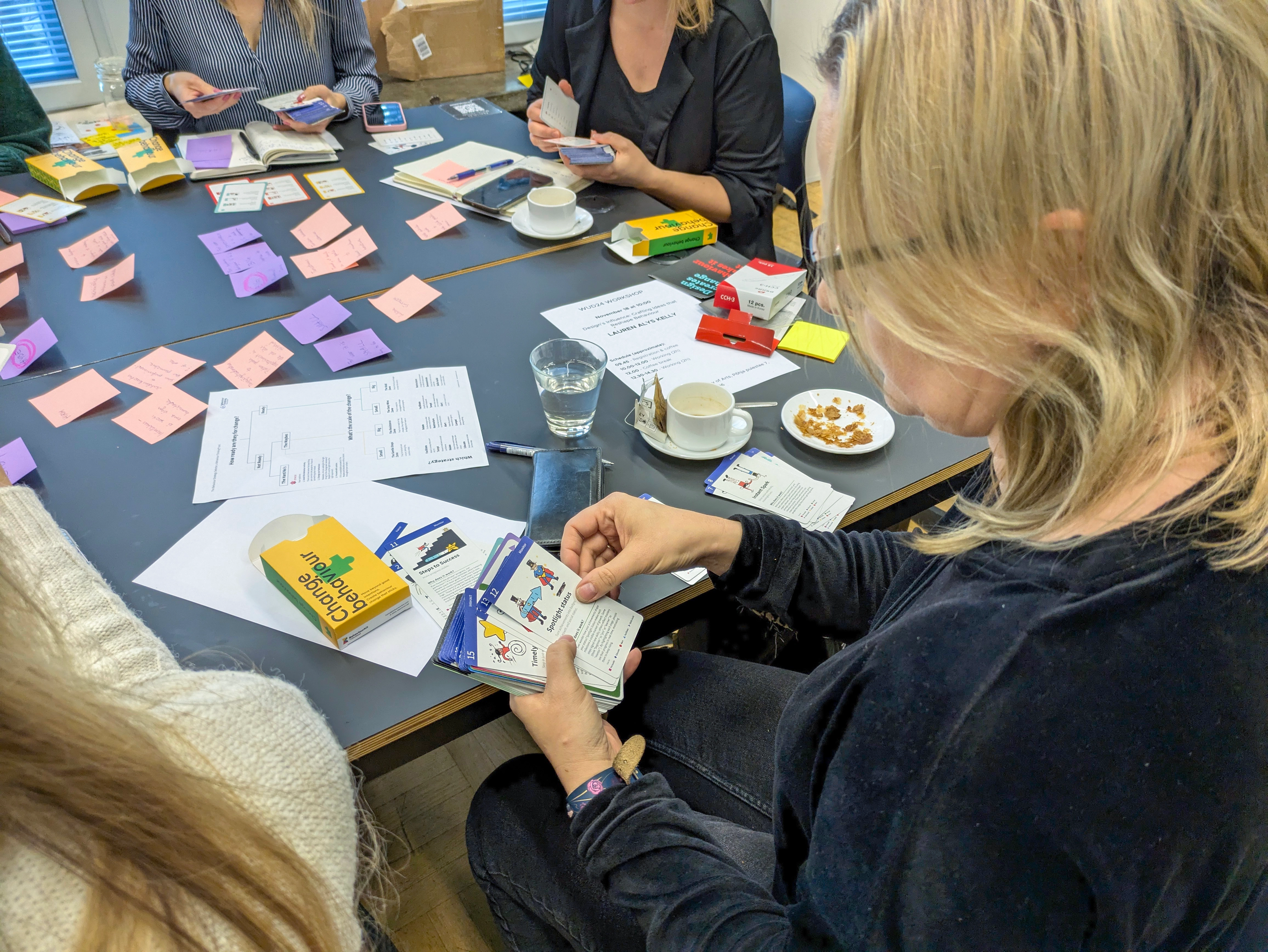
The AI tools were live and the training had been delivered, and usage across the teams stayed uneven. The next move on the table was to train harder.
We stopped asking why the tools were not being used, and started asking what people were doing instead. That meant going and talking to them, across finance, health, telecoms and government.
Seventy-five per cent trusted AI right up until its first visible error, at which point confidence fell away. Forty-five per cent said conversation shrank when AI joined the room. Only twelve per cent felt clear on how their data was being used.
Underneath all of it was something nobody had put a name to. People were using the tools and not saying so. It was never a skill gap, it was the fear of being judged for it, and no amount of training was going to reach that.
What did reach it was plain-language guidelines, a peer network of AI champions, safe-to-try labs, and managers paired with champions rather than lectured at. Working with the leads, we clustered more than fifty friction points into five levers, and built a system the teams could run without us.
It is still running. It became Human-AI Performance, a product teams use to work out why AI adoption is uneven and what to do about it.
Lauren's command of behaviour is second to none.
Seven weeks. Eleven people: the AI lead, designers, researchers, strategists. Full sprint.
 2023
2023 Six ministries. Six live problems. One day each.
Behavioural science in the hands of the people already doing the work.
2023 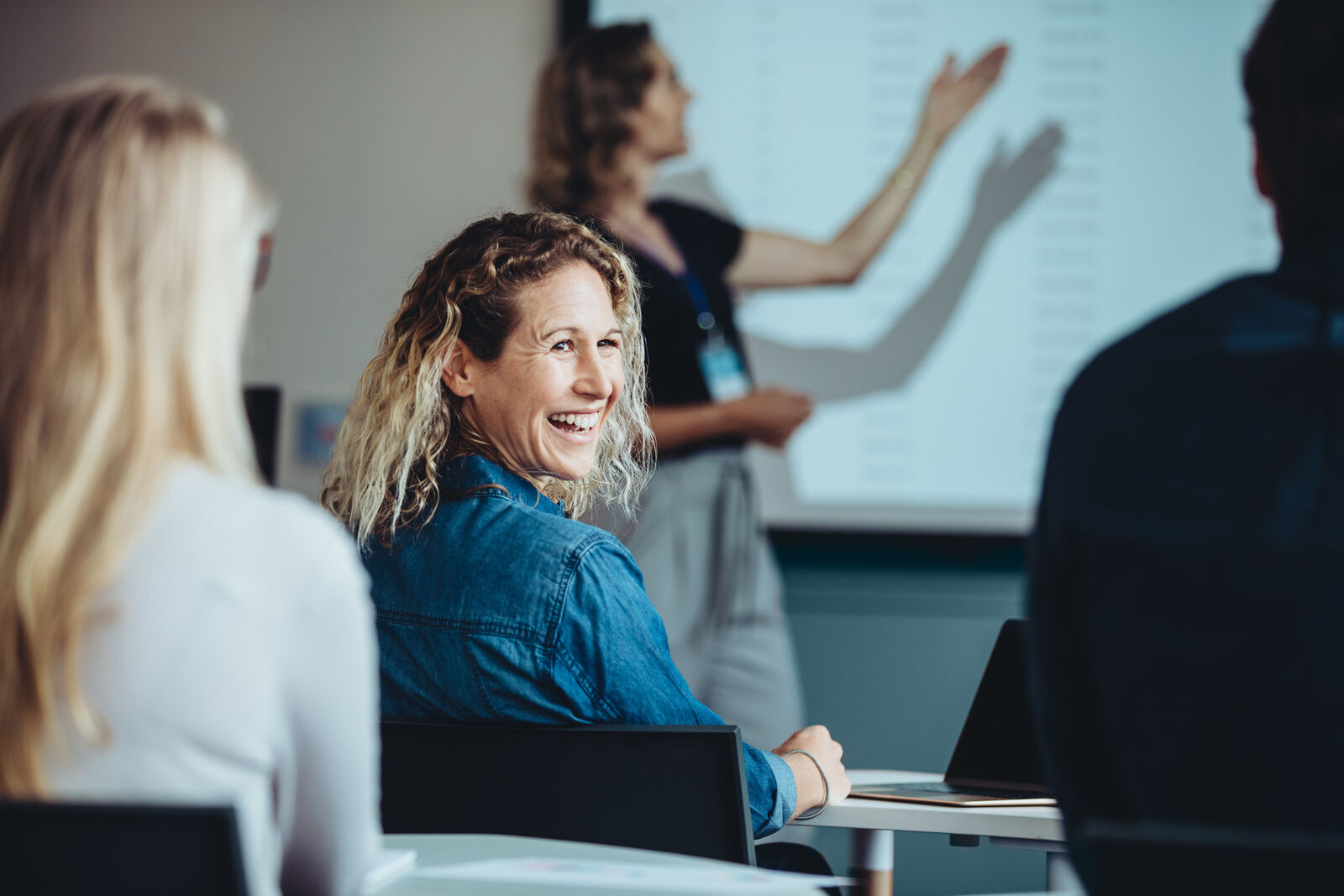
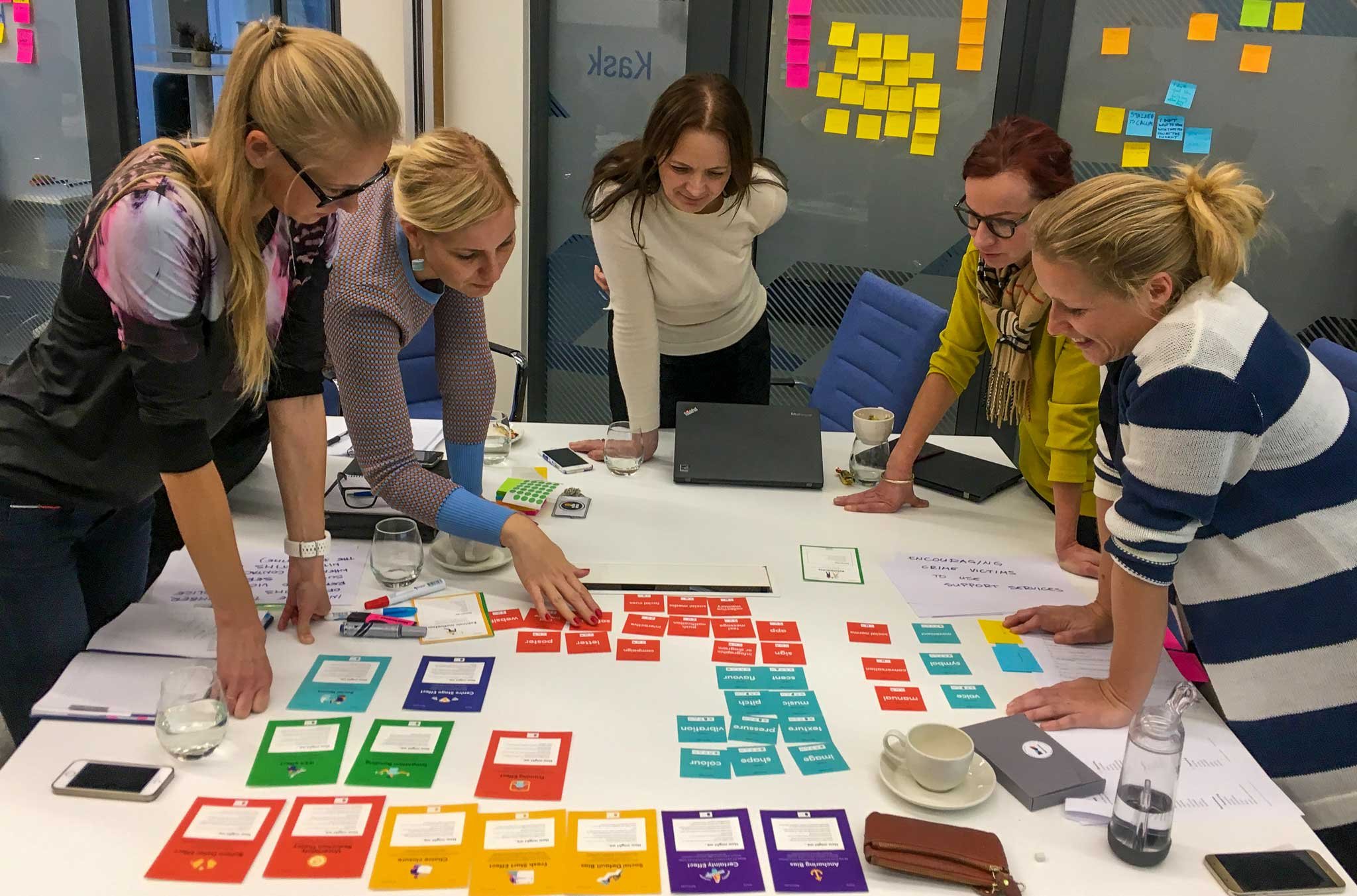
Estonia has an innovation team that sits across government, whose job is to bring new ways of working into the ministries. They brought us in to put behavioural science directly into the hands of the people already doing the work.
We ran a one-day sprint with each ministry, on a problem they were already carrying. Health took the anti-vaccine movement. Work took disability access to employment. Police took self-referral for violent crime. Home took fire alarms in older people's houses.
Six problems with nothing in common except the method, which was the point of running six.
Each team worked out what was holding the behaviour in place, then designed against it. In the health sprint, they found that trust in the vaccine was being made or lost inside a thirty-second exchange during a GP consultation. The campaign was fine. The moment inside the appointment had never been designed for. They left with consultation scripts a doctor could use without breaking the flow of a visit.
We left the kit with them.
Finally, behavioural science we can actually use. Clear tools, a simple process, and no design background required.
Six one-day sprints. Teams of three or four: designers, strategists, researchers.
Nobody photographs a calm day.
Climate observations that spiked at storms, then disappeared.
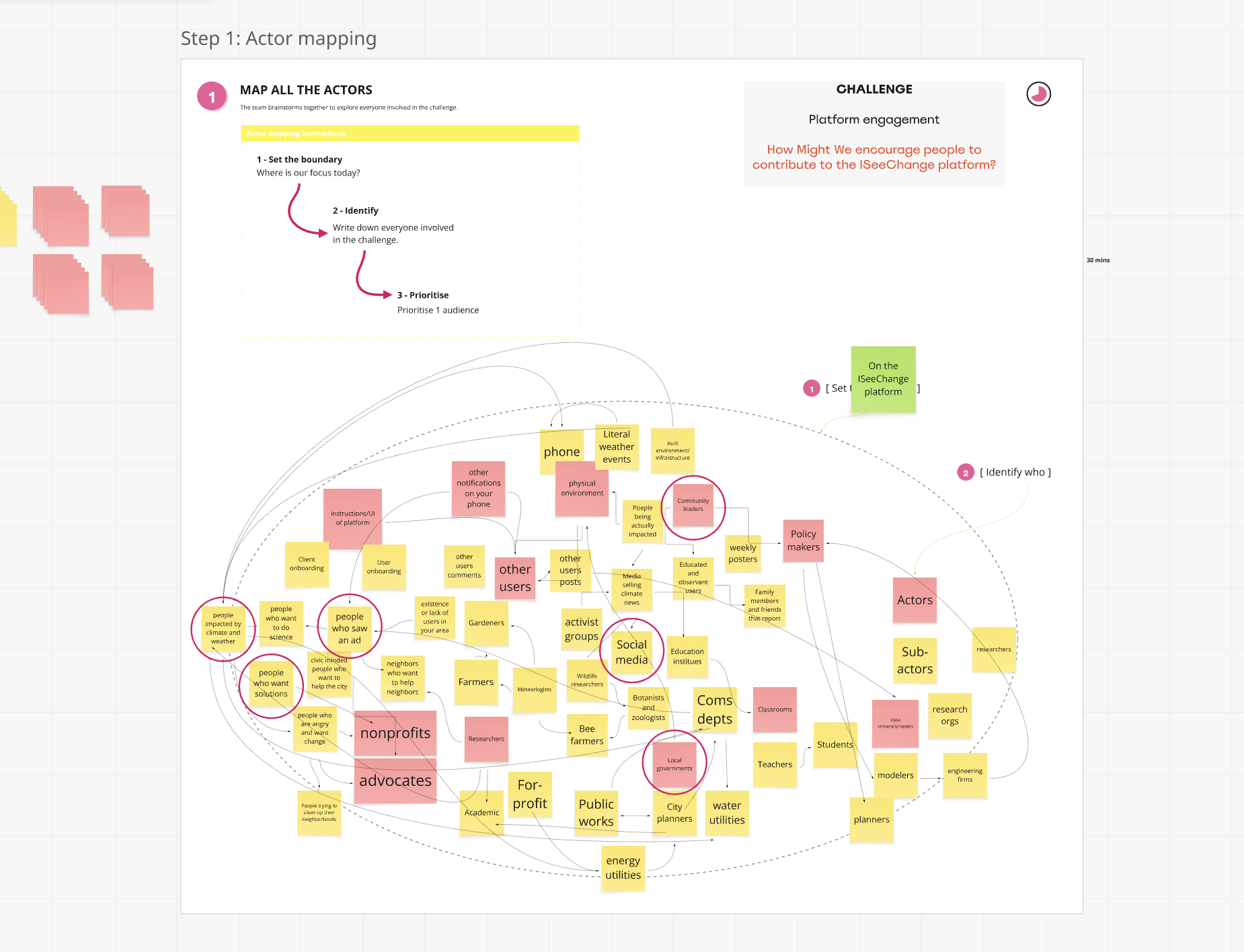
ISeeChange collects weather observations from residents, floods and heat waves and everything in between, and combines them with sensor data so cities, engineers and utilities can plan for what is coming.
Observations spiked during storms and dropped away between them. The read was engagement, and the fix was heading towards prompts.
What the room found was that the model needs the ordinary days as much as the dramatic ones, and that nobody believes an ordinary day is worth reporting. At the same time, most users already had usable observations sitting in their camera roll, and had never thought of them as data.
The team rebuilt onboarding around that. Contributing stopped meaning go outside and capture something new, and started meaning share what you already have.
They also learned to run the framing session themselves, so they could keep doing it.
One day. In the room: the CEO, the head of product, the tech lead, a data engineer, a designer.
 2023
2023 Culture isn't made in town halls. It's made in the small moments, ten times a week.
Ten high-growth startups, and the leadership behaviours that make or lose culture.
2023 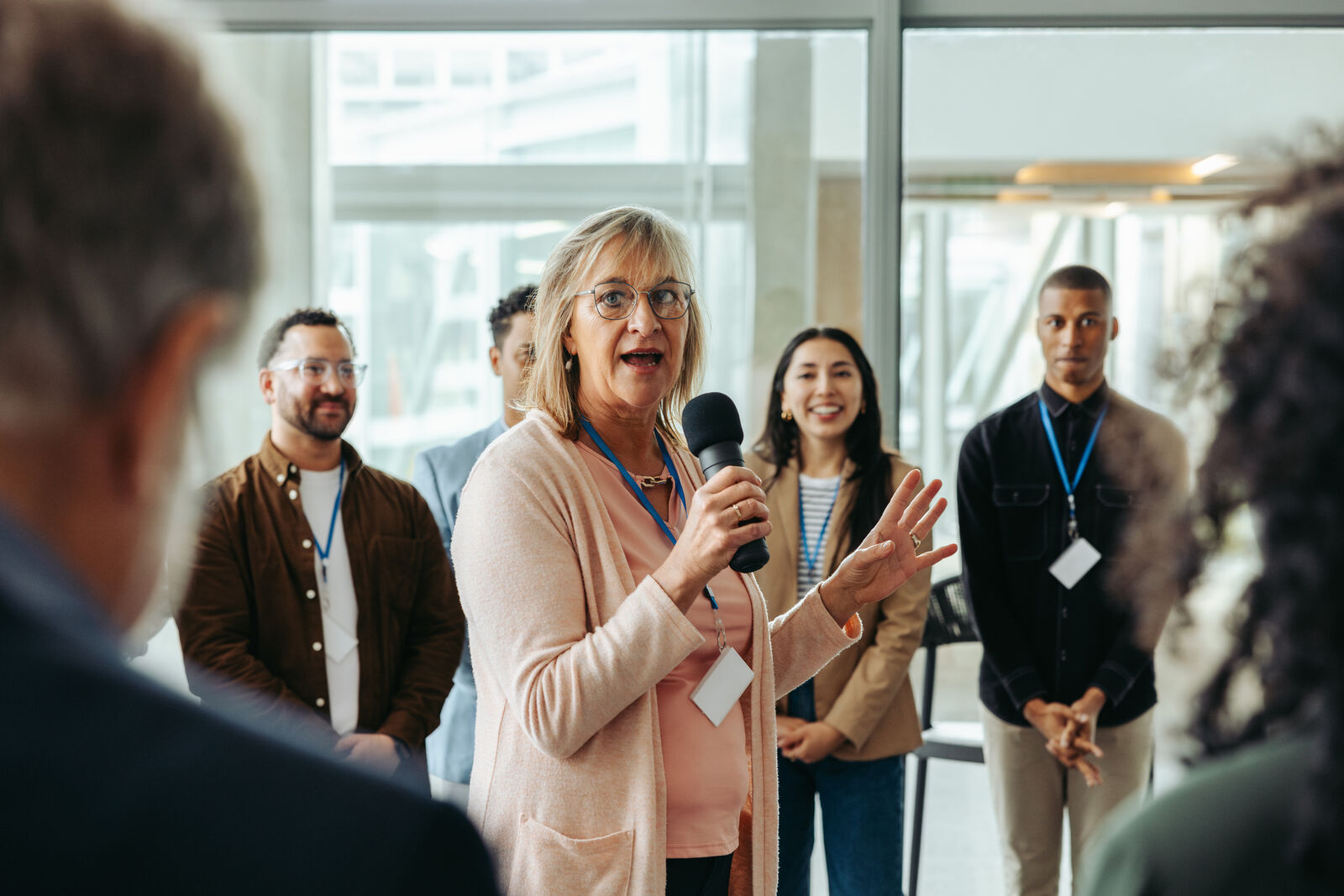

The Responsible Leadership programme is a long-running collaboration between Accenture and the World Economic Forum's Young Global Leader and Global Shaper communities. They had the framework and the diagnostic. The hard part was turning values like empathy and openness into something that still shows up on a busy Monday.
We worked on the Emotion and Intuition element with Accenture's design leads, across ten high-growth startups.
Pano AI was scaling fast, built on empathy and openness, and the leadership team could feel a gap opening. Not in the strategy, in the small stuff. So we went looking for where the culture was actually being made or lost. We found it in team meetings where someone was struggling and did not say so, in one-to-ones where leaders jumped to a solution too quickly, and in hiring conversations where empathy was valued in principle and never assessed in practice.
Then the team designed routines that fitted what they already did. A short open window at the top of all-team calls, with no agenda and no status updates, just room to raise a real problem. Leaders opening key meetings with a personal challenge, which changed the room before the first agenda item. A shared standard of listening to understand rather than to solve.
By week three, every member of the team had brought a real problem to the open window. None of it needed a separate culture programme. It worked because it attached to routines that already existed.
It cut through the hesitation and gave us actions we could use straight away.
Three weeks. Ten startups, with Accenture's design leads. World Economic Forum partnership.
 2023
2023 21% to 70%.
A change management team and their confidence with behaviour.
2023 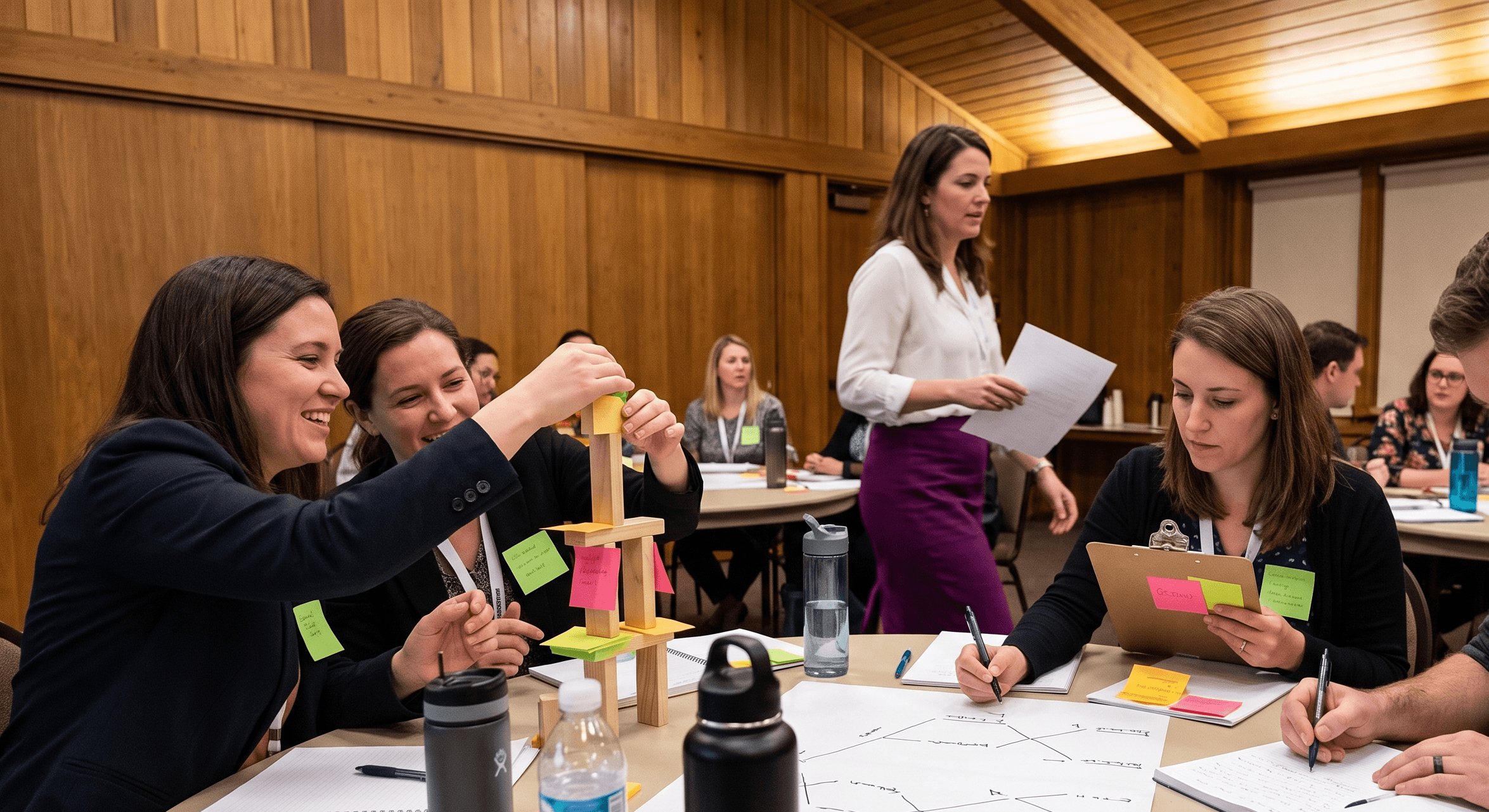
A change management team of twelve who knew behaviour mattered to their work and wanted a way into it.
I scoped the programme with the change lead and opened it on the hardest part, which is that behaviour is difficult to name in the first place, and on the kinds of behaviour the team would actually meet in practice. The Behavioural Insights Unit taught EAST and MINDSPACE in the middle. I landed it afterwards with review sessions and roundtables, on their live work.
Their own rating of their confidence with behaviour moved from 21% to 70%.
Everyone took value from her sessions. You could see the team's confidence increase in the weeks afterwards.
 2022
2022 The sessions landed. The following week was the hard part.
Training that stays live after the room empties.
2022 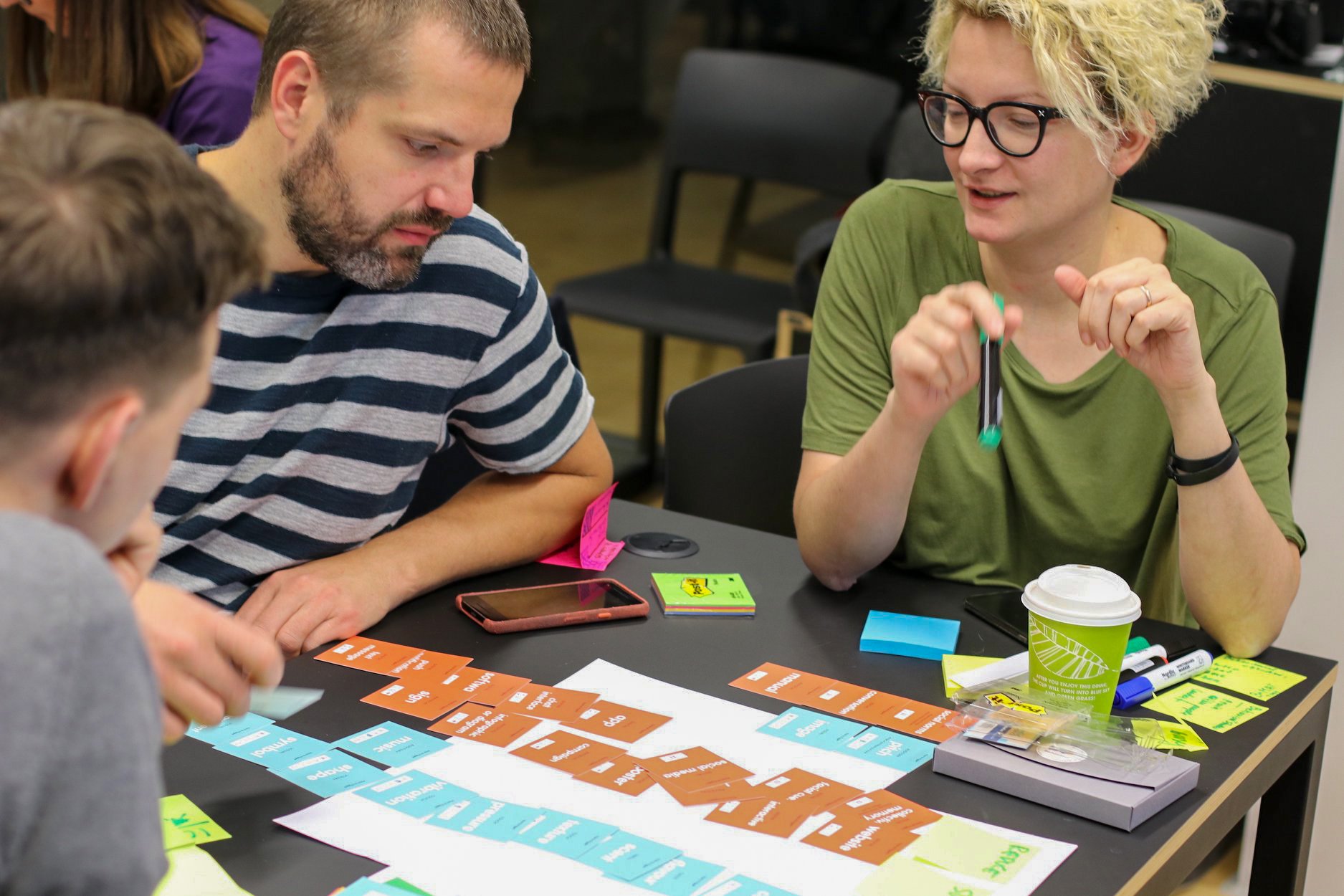
D&AD's masterclass programme had what most programmes spend years trying to get. Sessions people genuinely enjoyed, run by trainers at the top of their craft.
The drop-off came afterwards, when the calendar filled up and the learning had to compete with real work. And as more trainers and formats came into the picture, delivery drifted. Same programme, different experience.
The logic we worked to was simple. Design the content as a balanced learning experience, then design the delivery for human behaviour.
Expert-led sessions tend to drift into one long stretch of input, out of habit, time pressure, and the curse of knowing a lot about something. FORGES, a set of planning cards, is what catches that. A trainer lays out a session, sees that it is mostly telling, and the cards push them to move people into discussion or practice so the learning has somewhere to land.
Alongside it, behaviour cards for the group dynamics that predictably derail a room, and a transfer loop that pushes attention past the session and into the week after.
I've run workshops for years, but this gave me a new lens on learning behaviours.
The cards are brilliant. Perfect for both training and client workshops.
Two consulting days and a training day, with the D&AD service team and their masterclass leaders.
 2021 – 2025
 250 people taught it. 93% were using it within a month.
A behavioural design course built to scale without losing the standard.
2021 – 2025 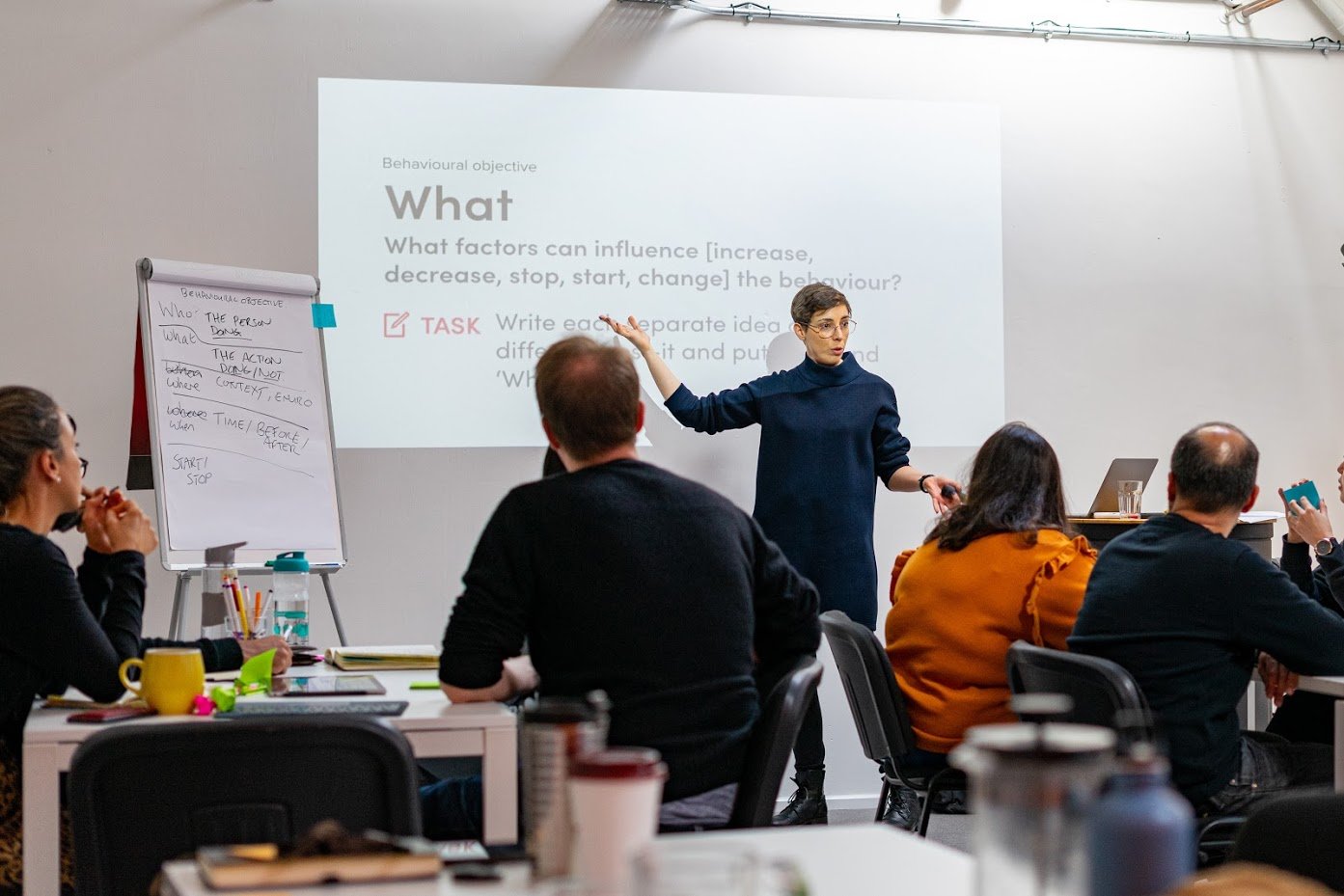
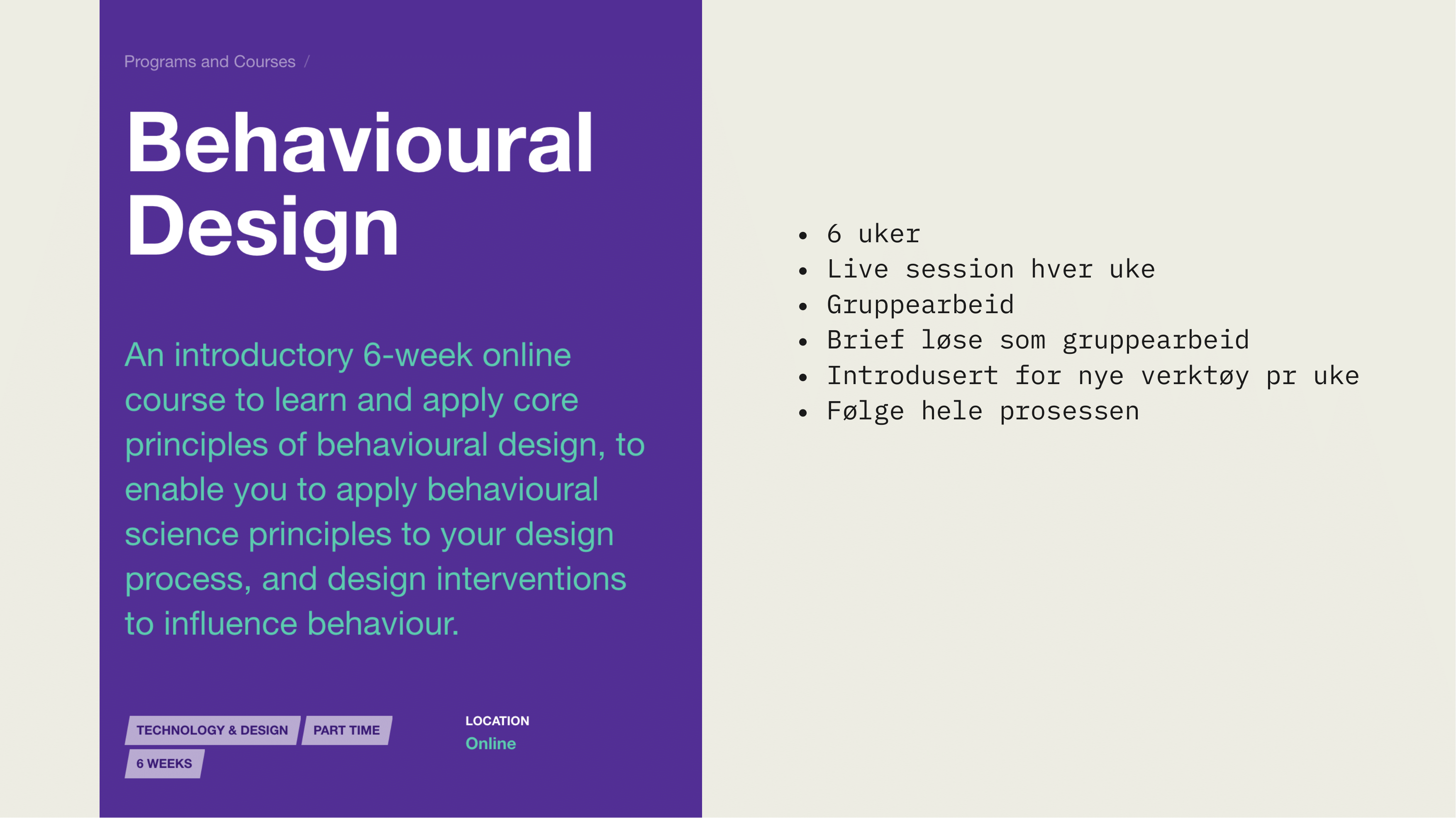
A behavioural design course that had to scale, and had to be useful in a real job the following week.
I built the six-week intensive on the sprint structure, taught it live, licensed BehaviourKit as the toolkit, and wrote a facilitator playbook so that later cohorts held the standard without me in the room.
Thirteen cohorts, of designers, strategists, leaders and creatives, from Nike, IKEA and Netflix among others. Ninety-three per cent reported applying the tools inside thirty days.
A trusted co-pilot I wouldn't hesitate to recommend. Lauren reads a room quickly and makes complex ideas practical.
View a student's project
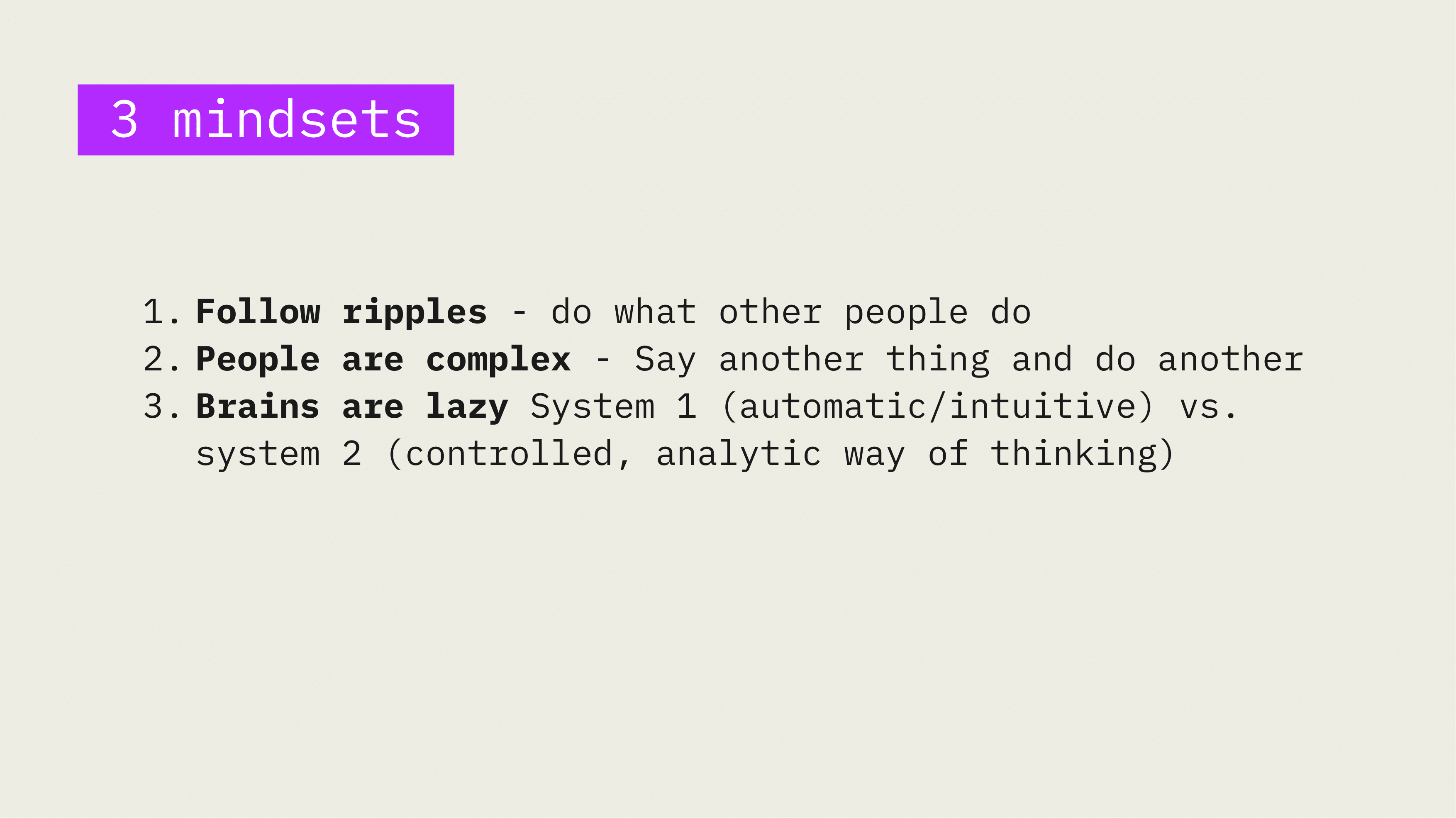
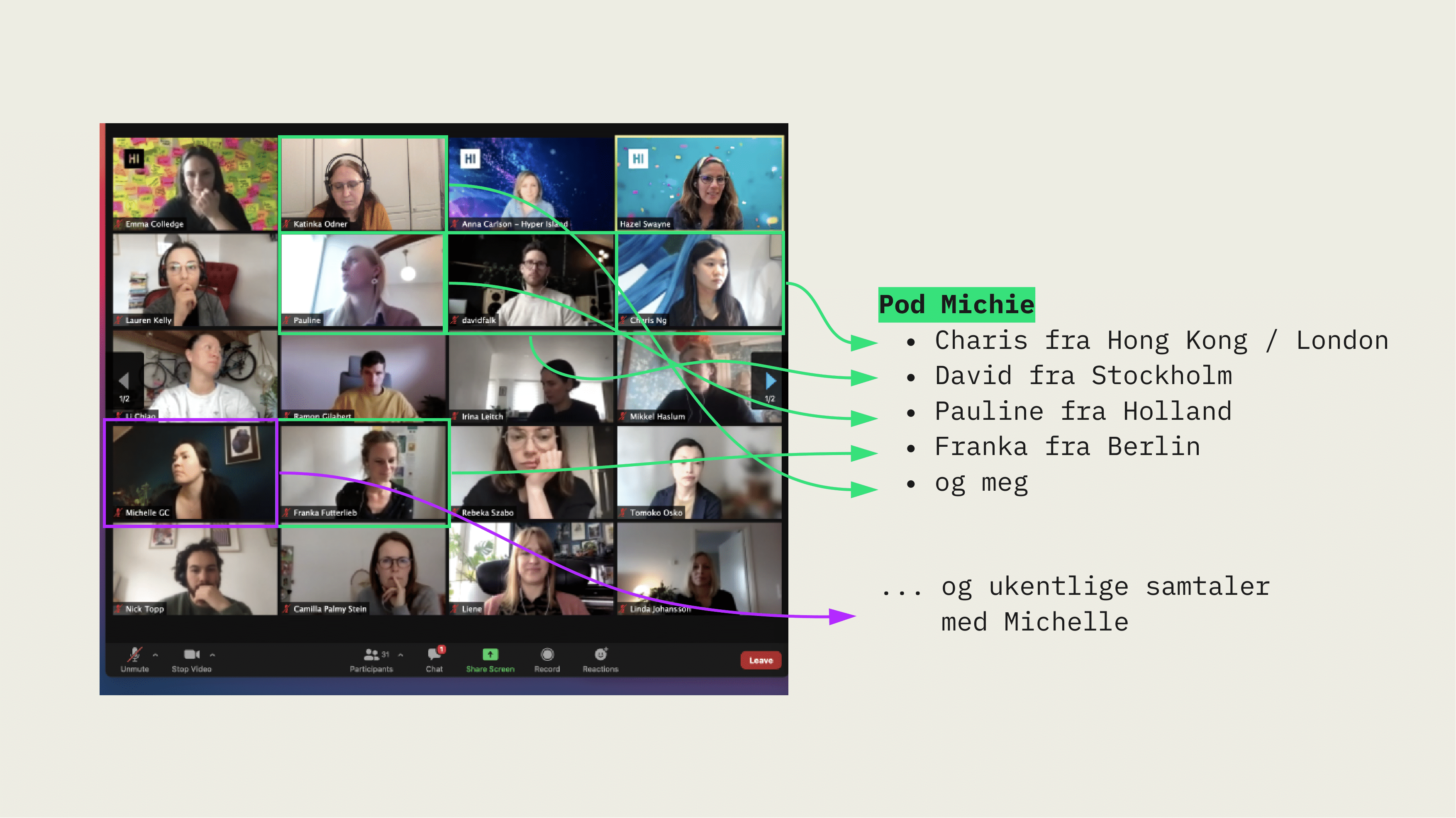
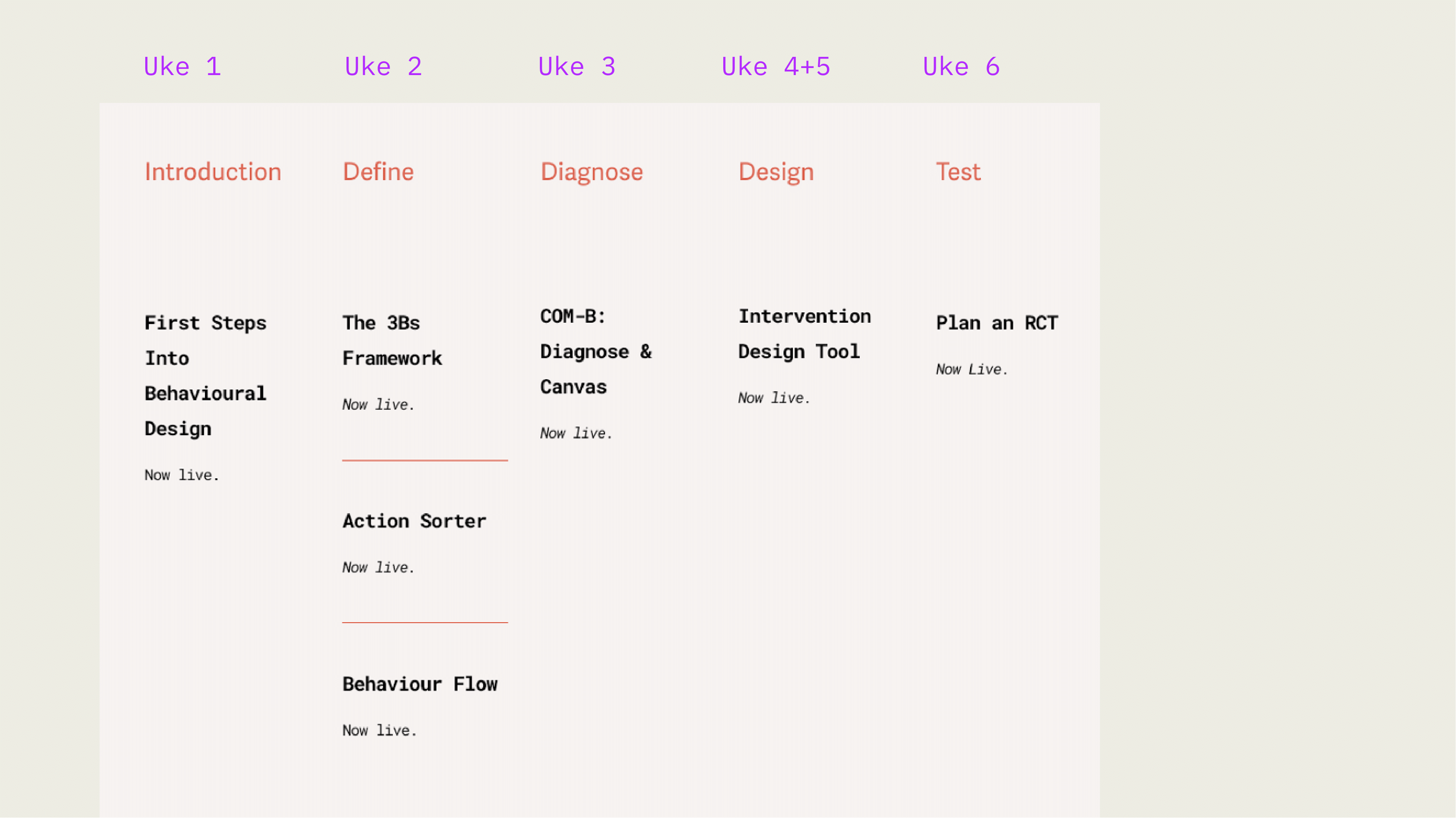
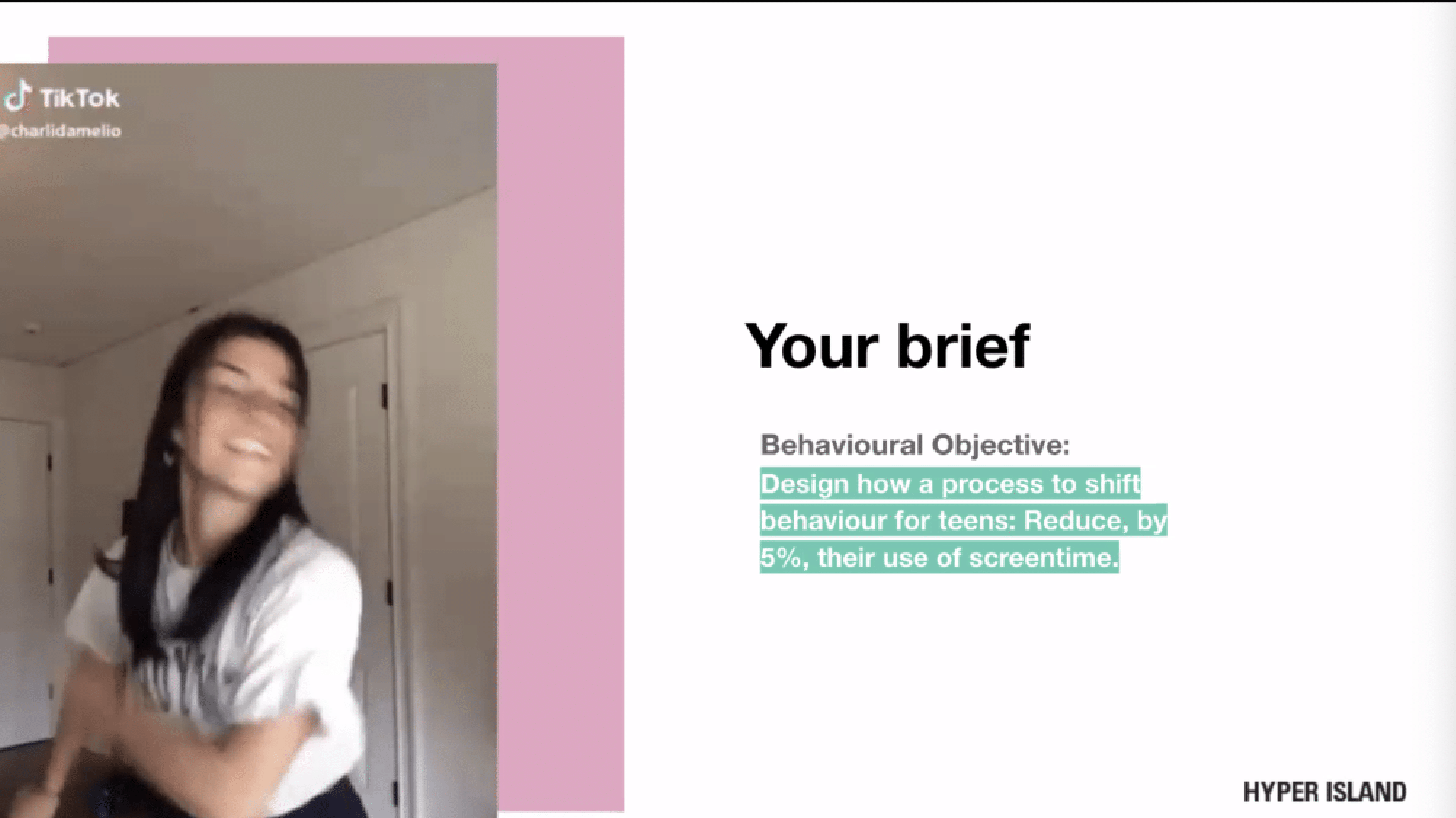
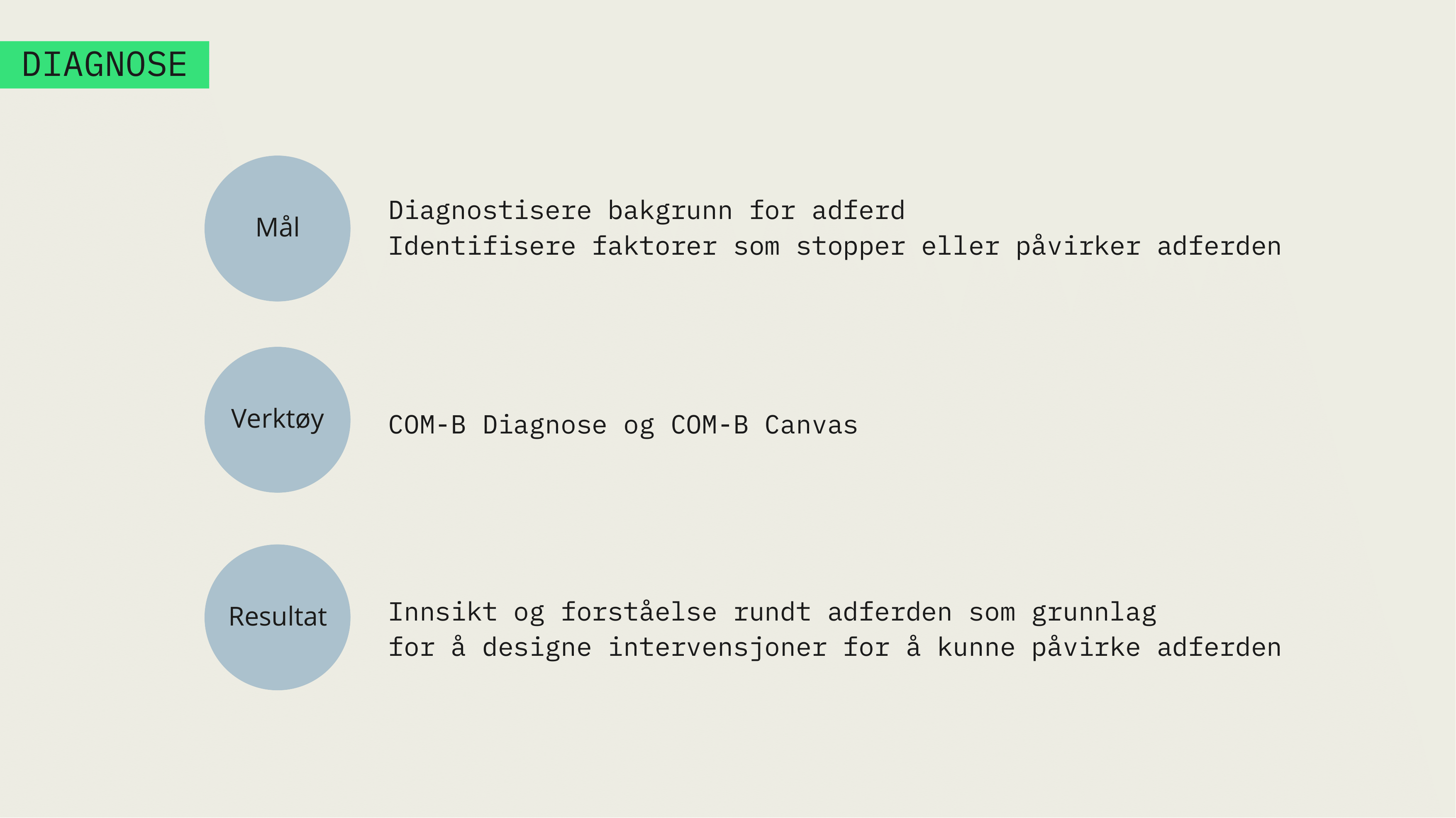
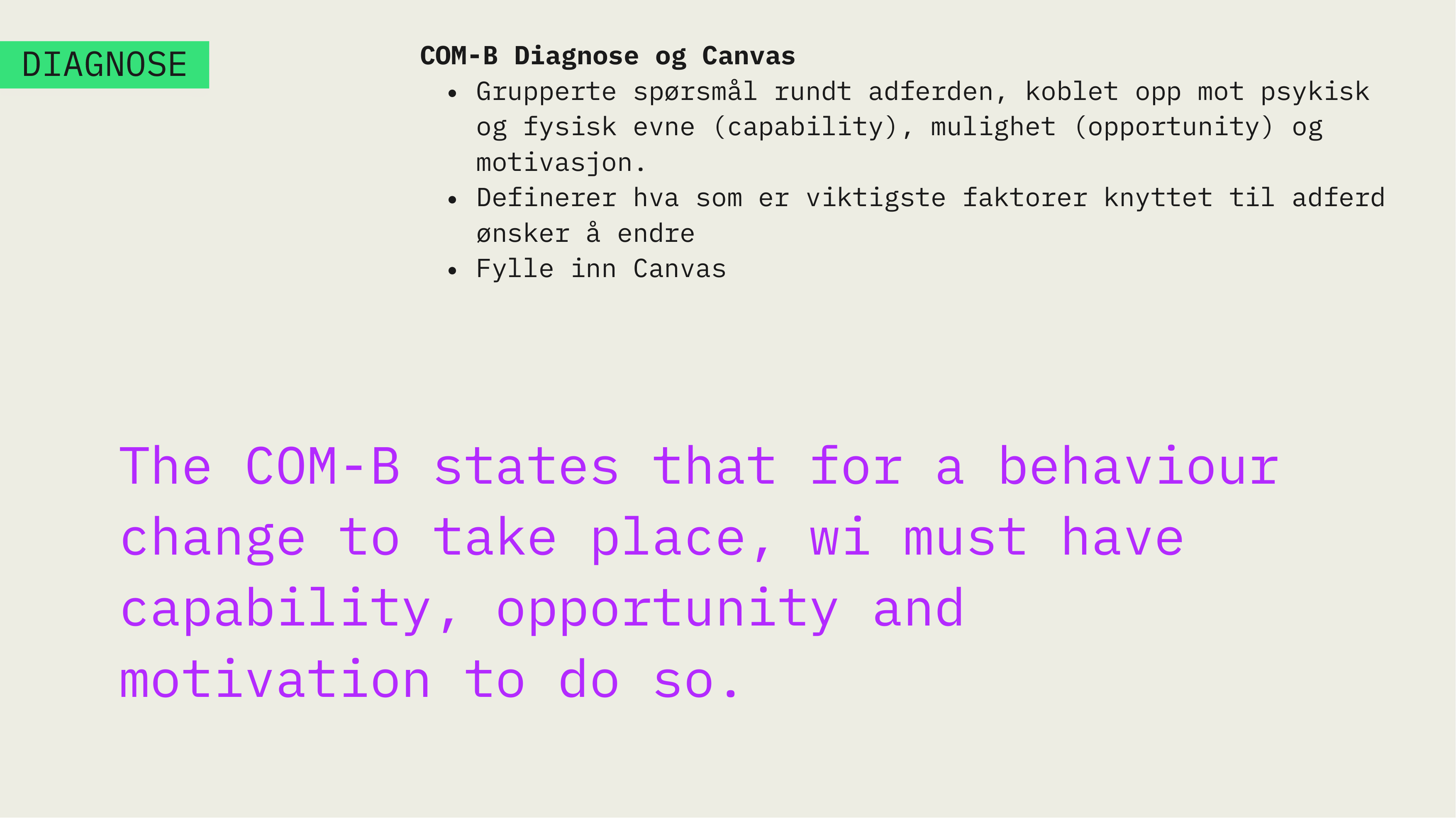
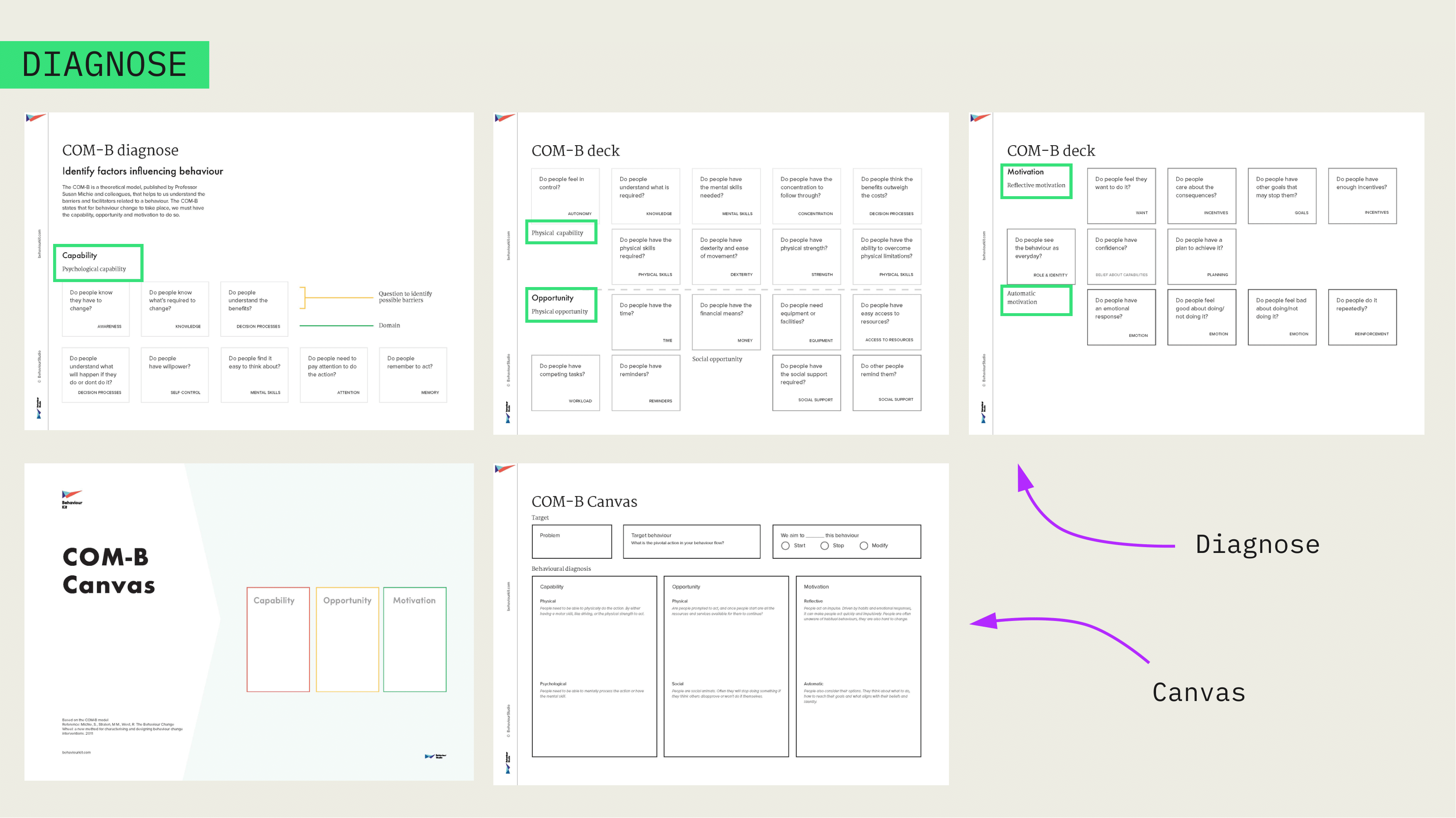
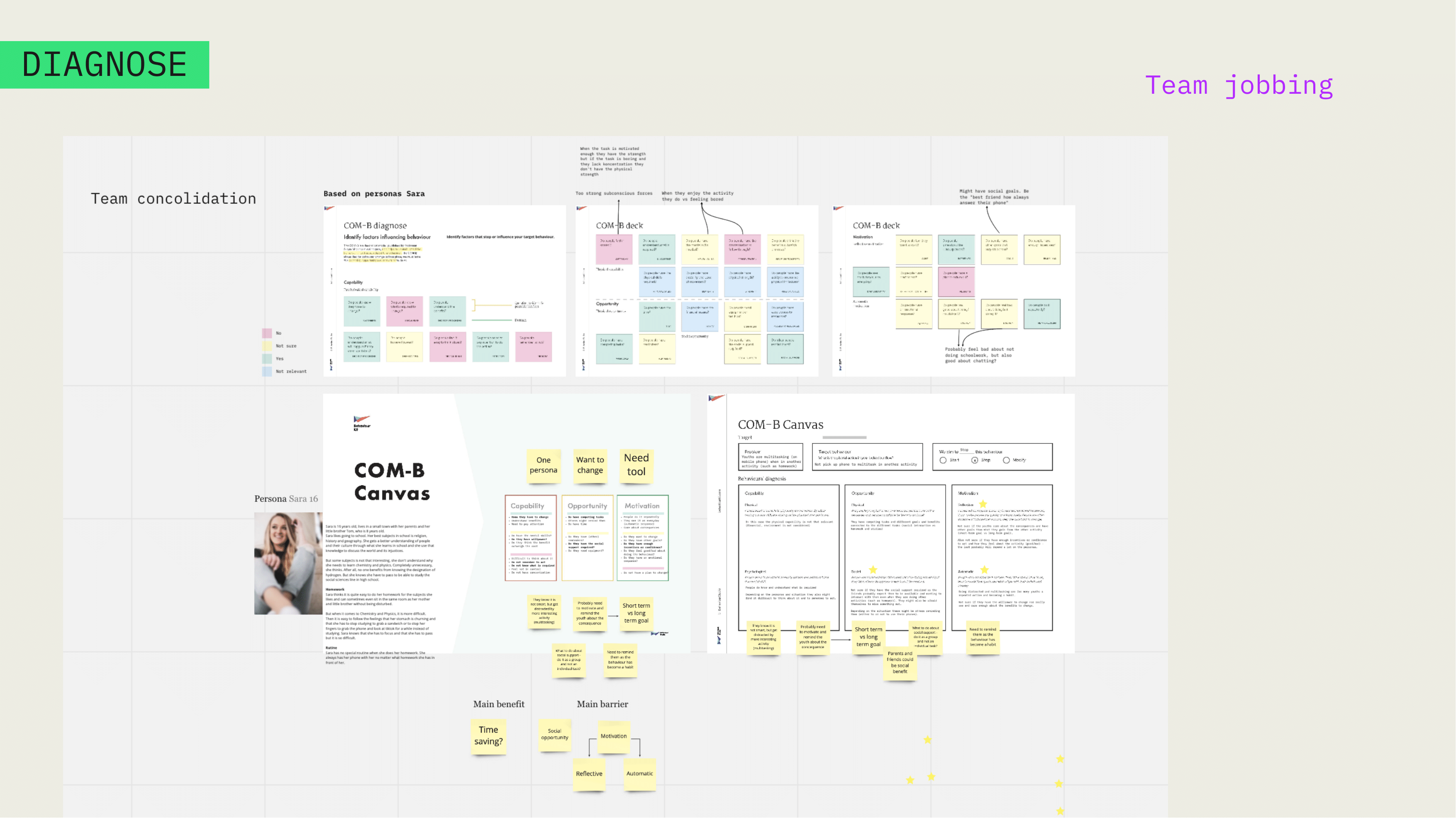
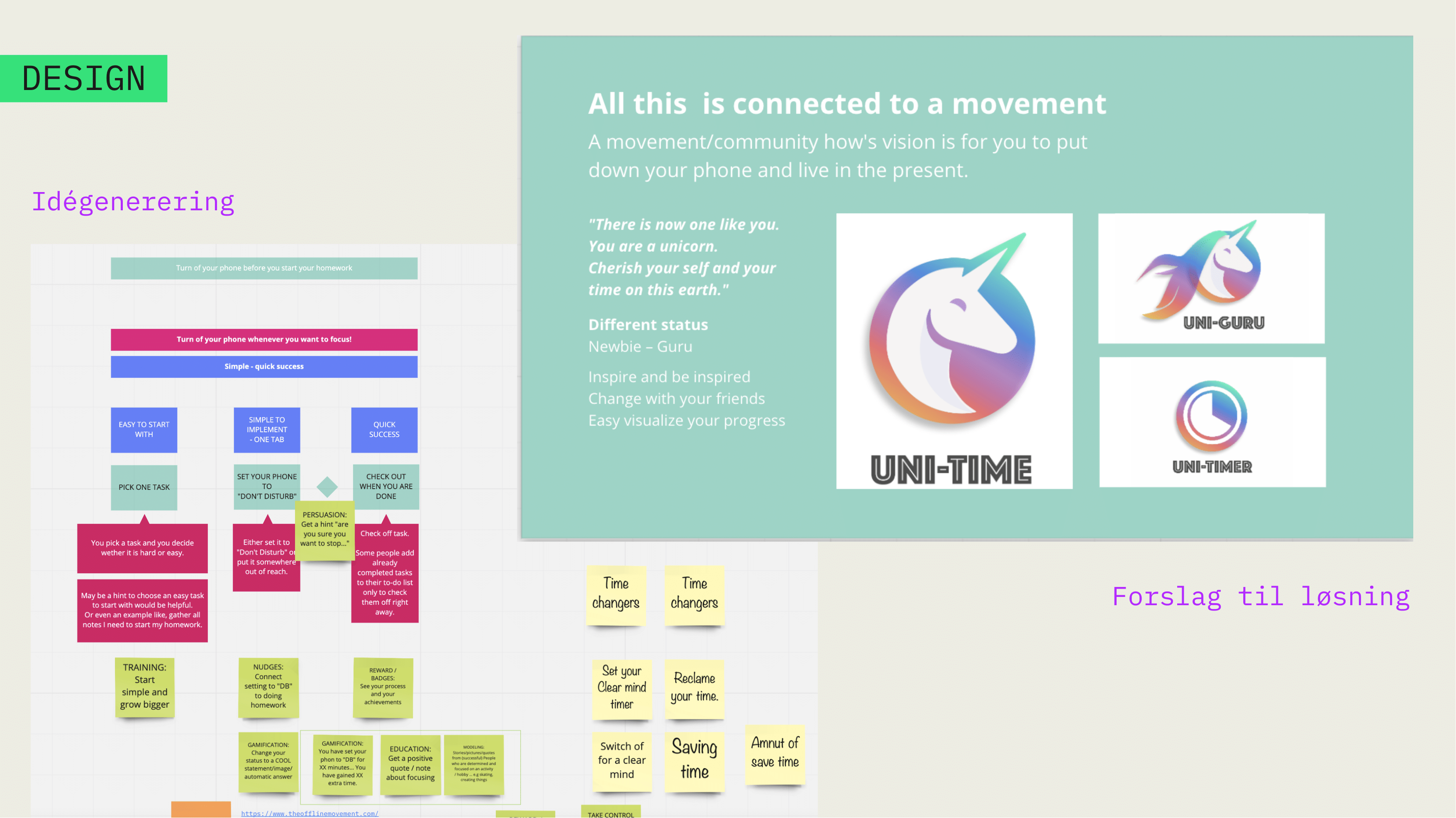
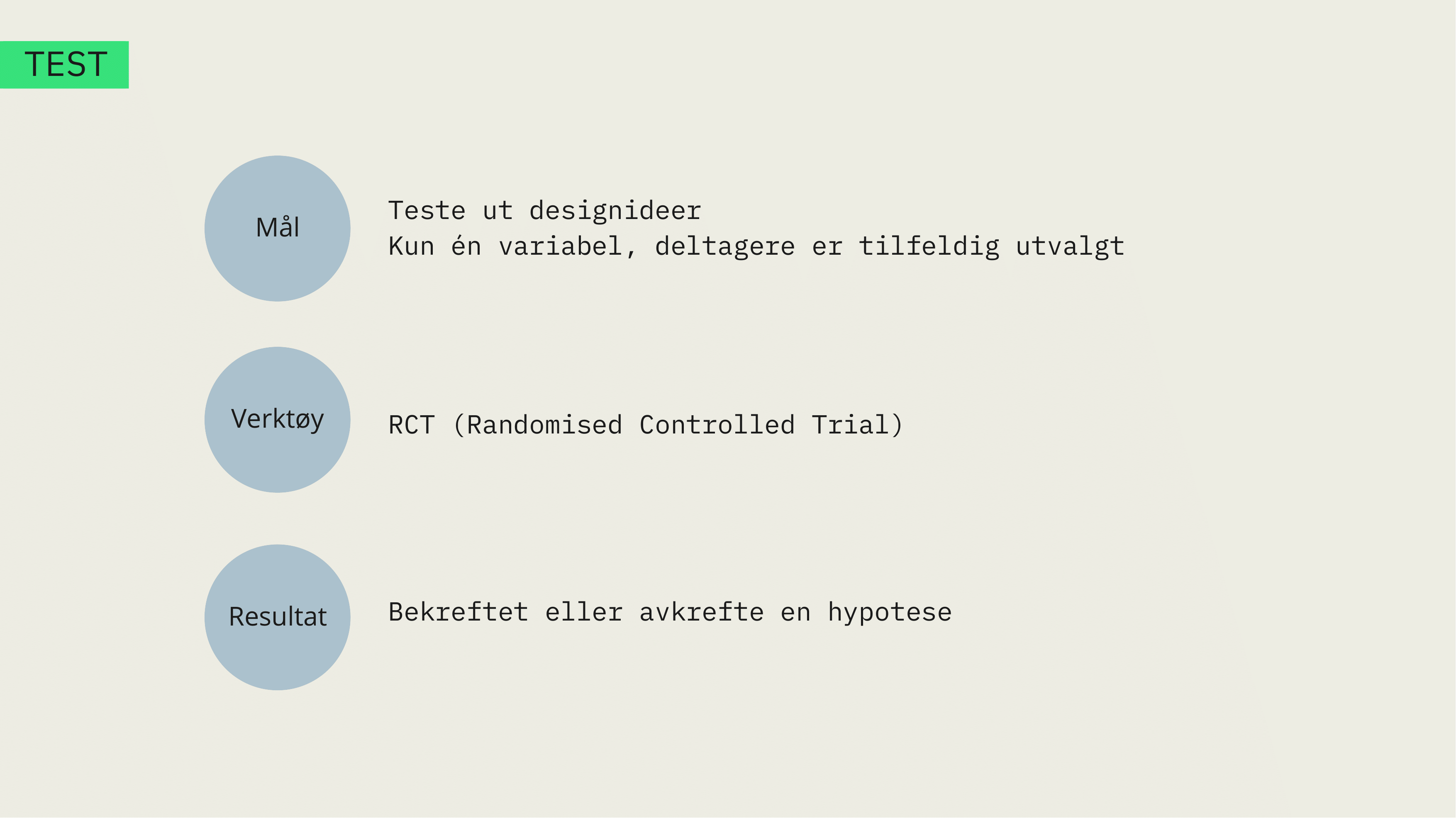
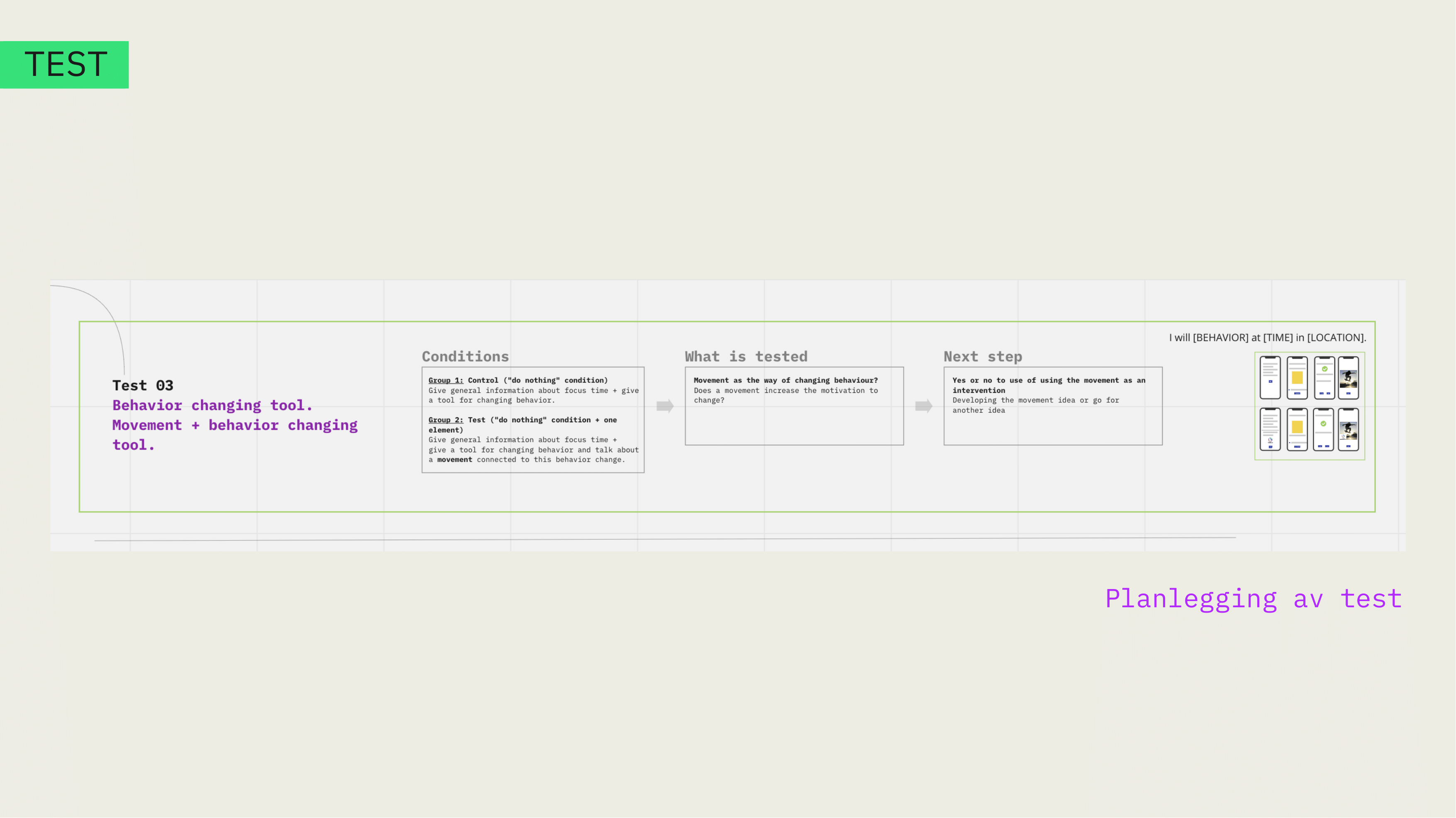
 2022 – 2024
 Eighteen months, inside the team.
Behaviour embedded into design practice, not taught about it.
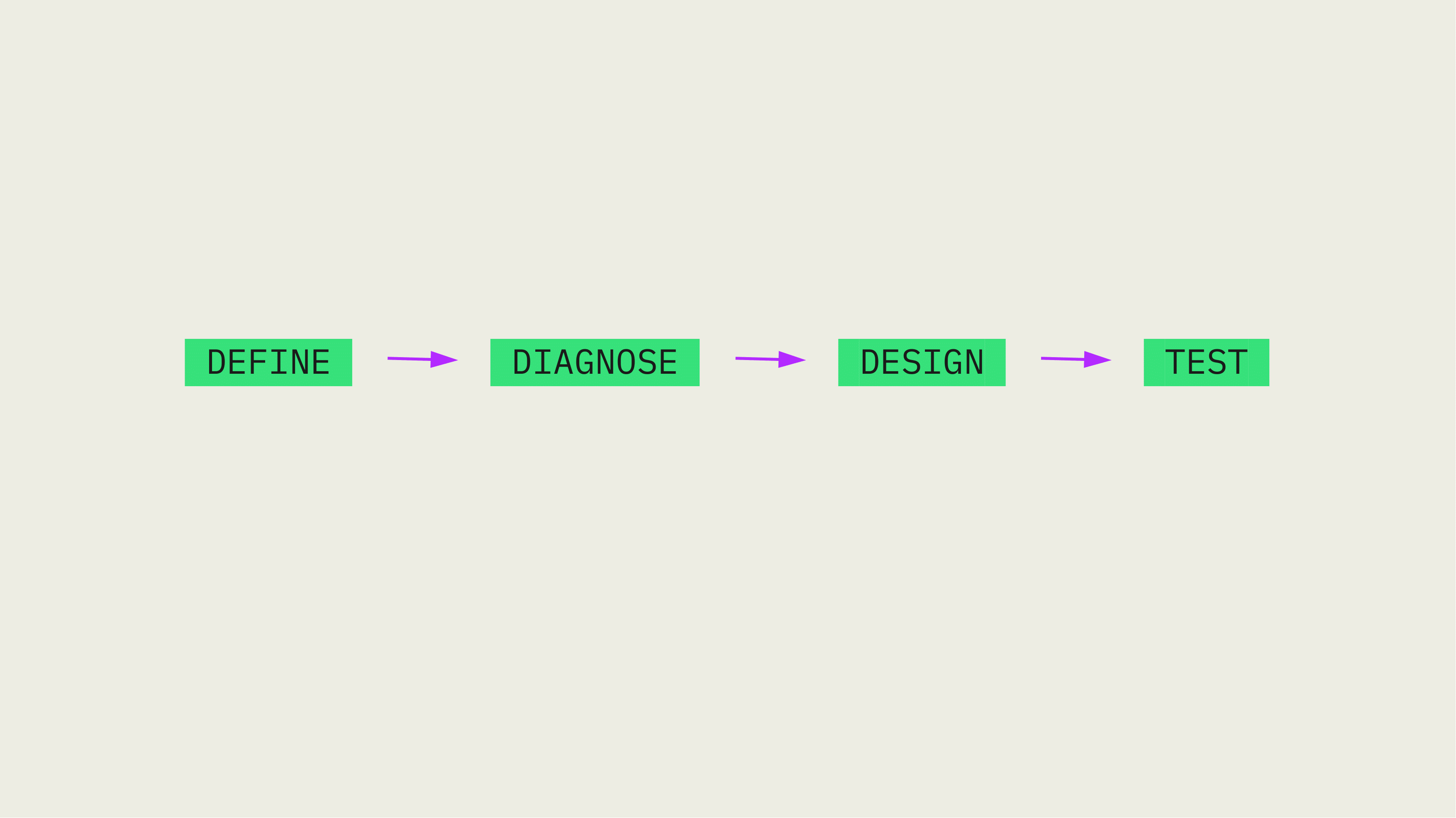
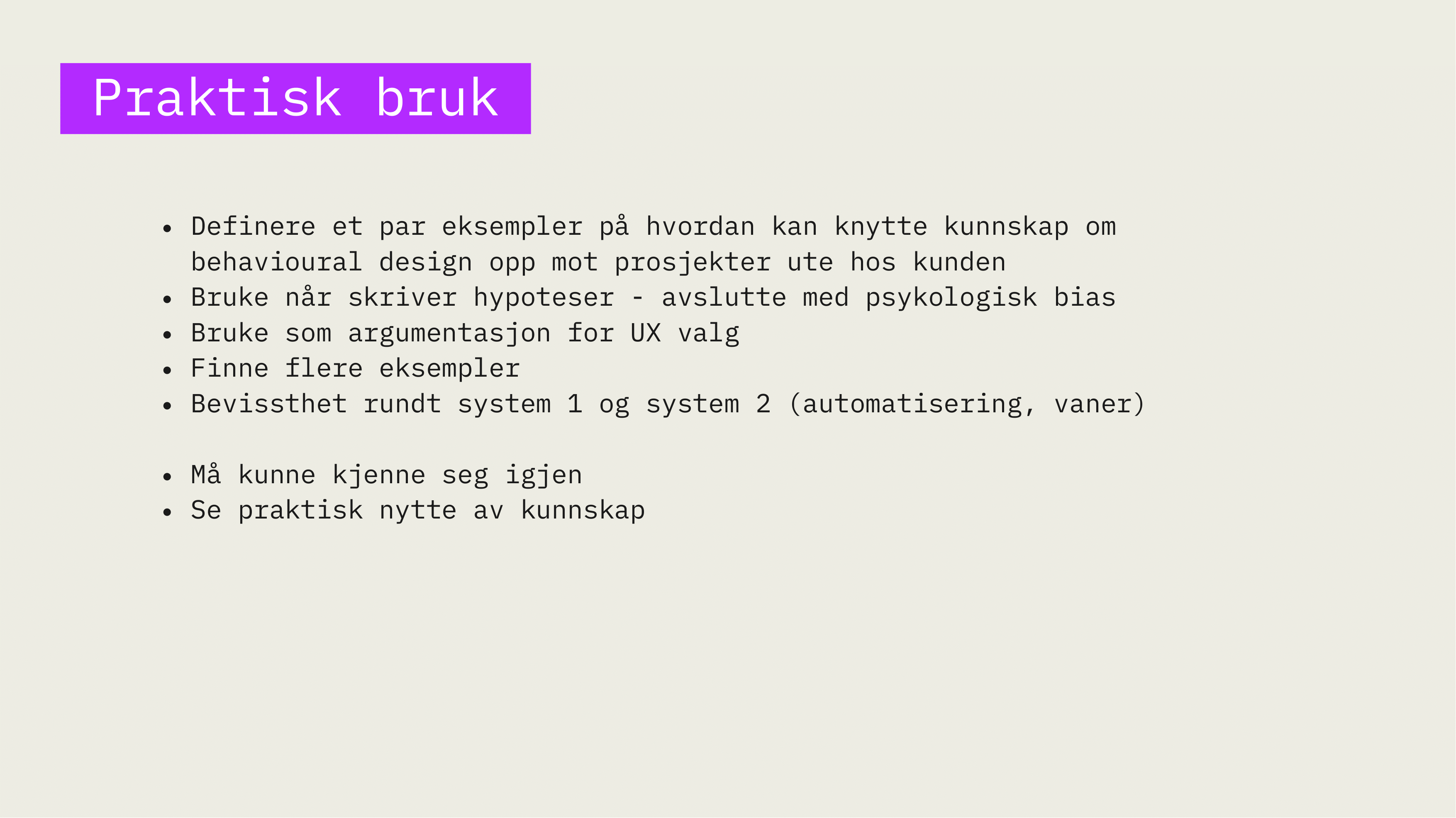
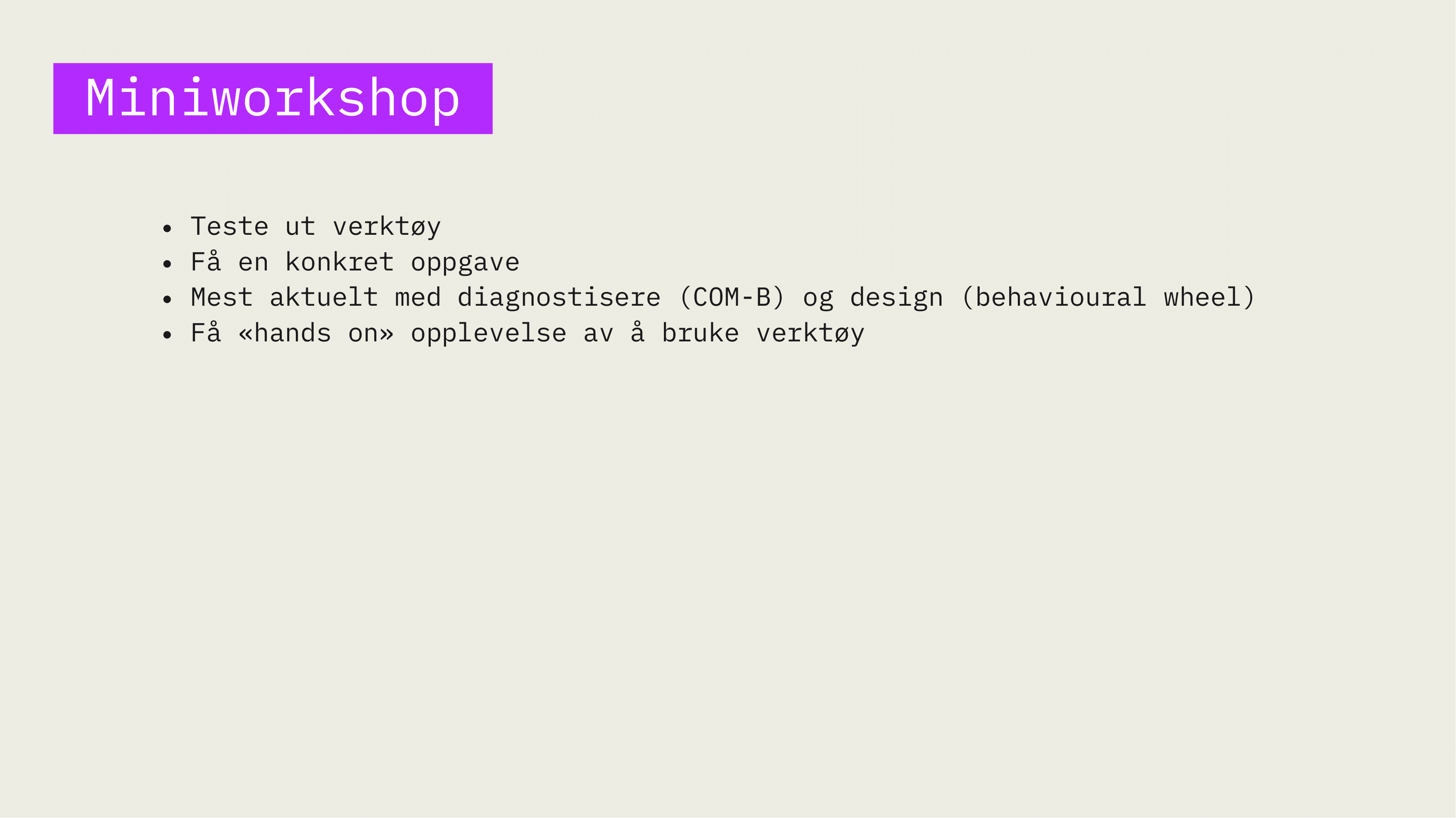
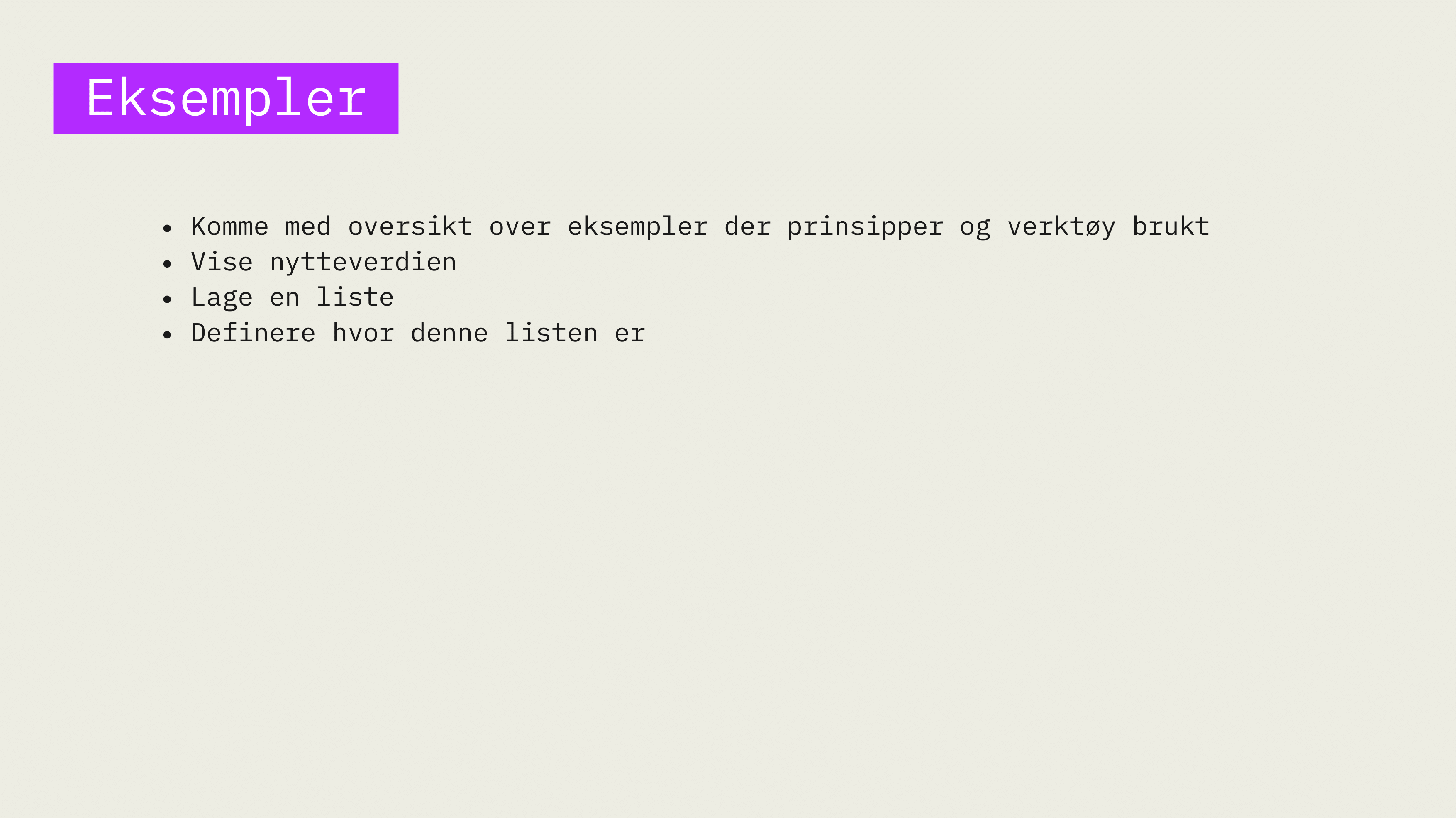
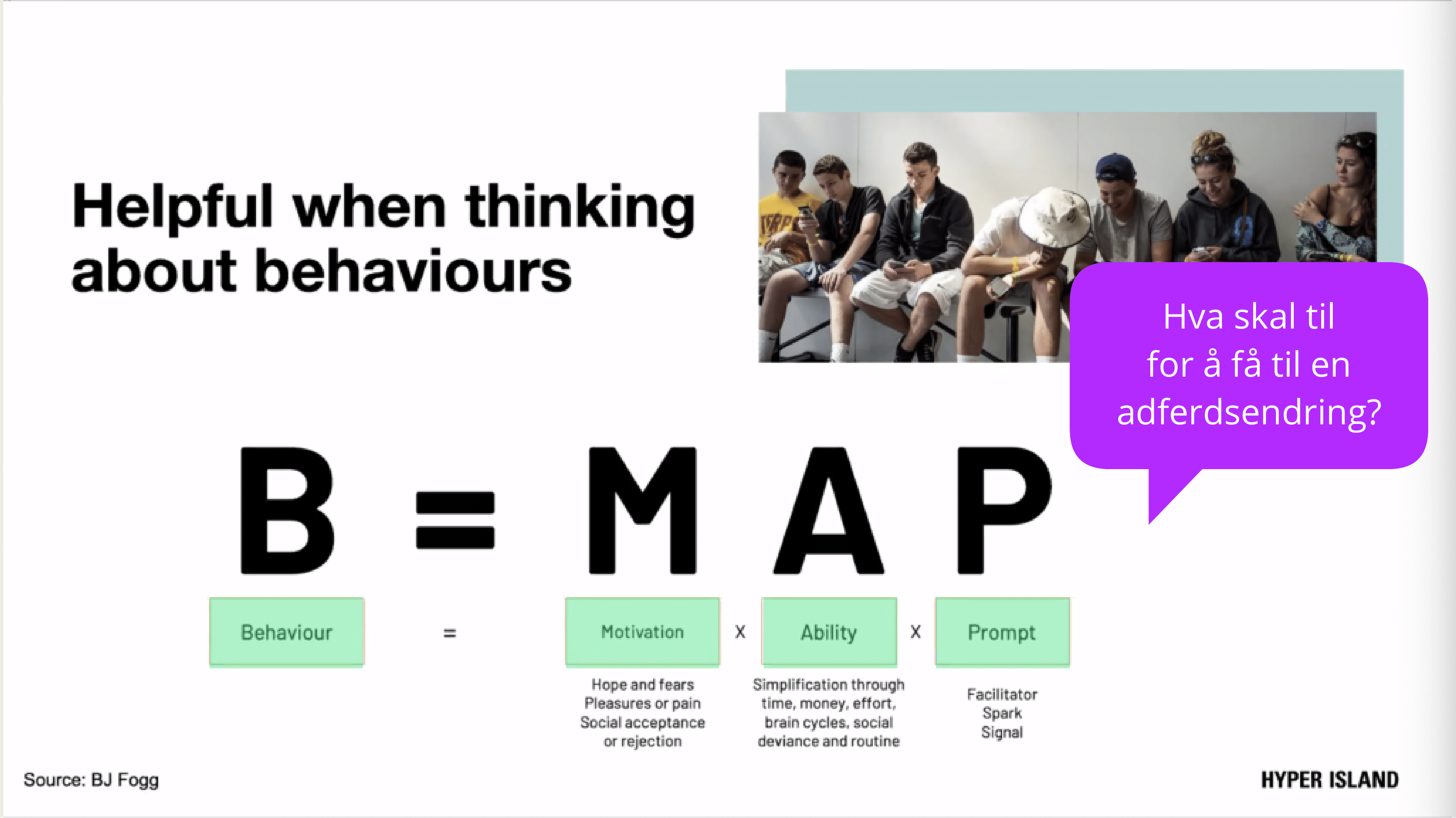
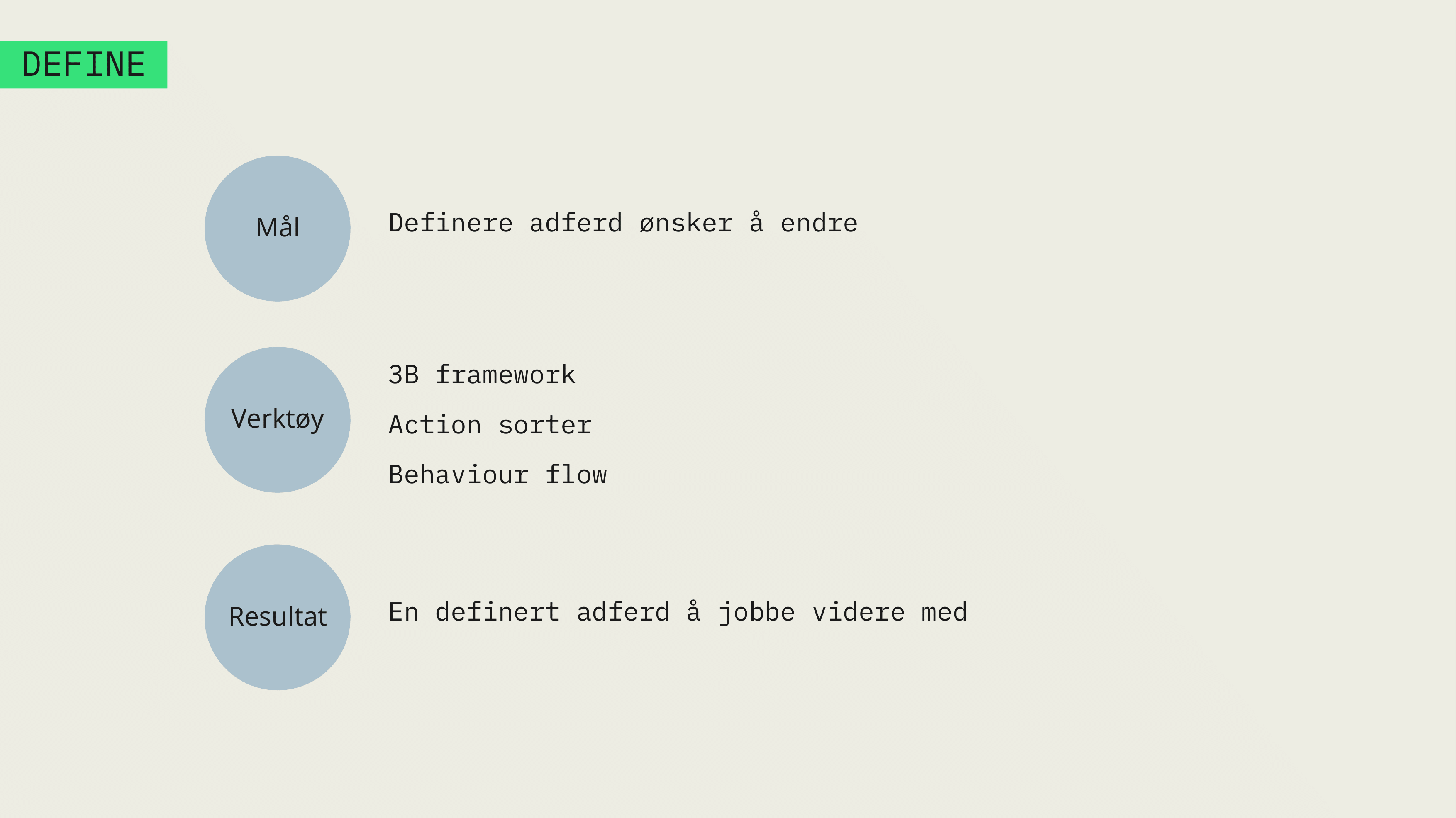
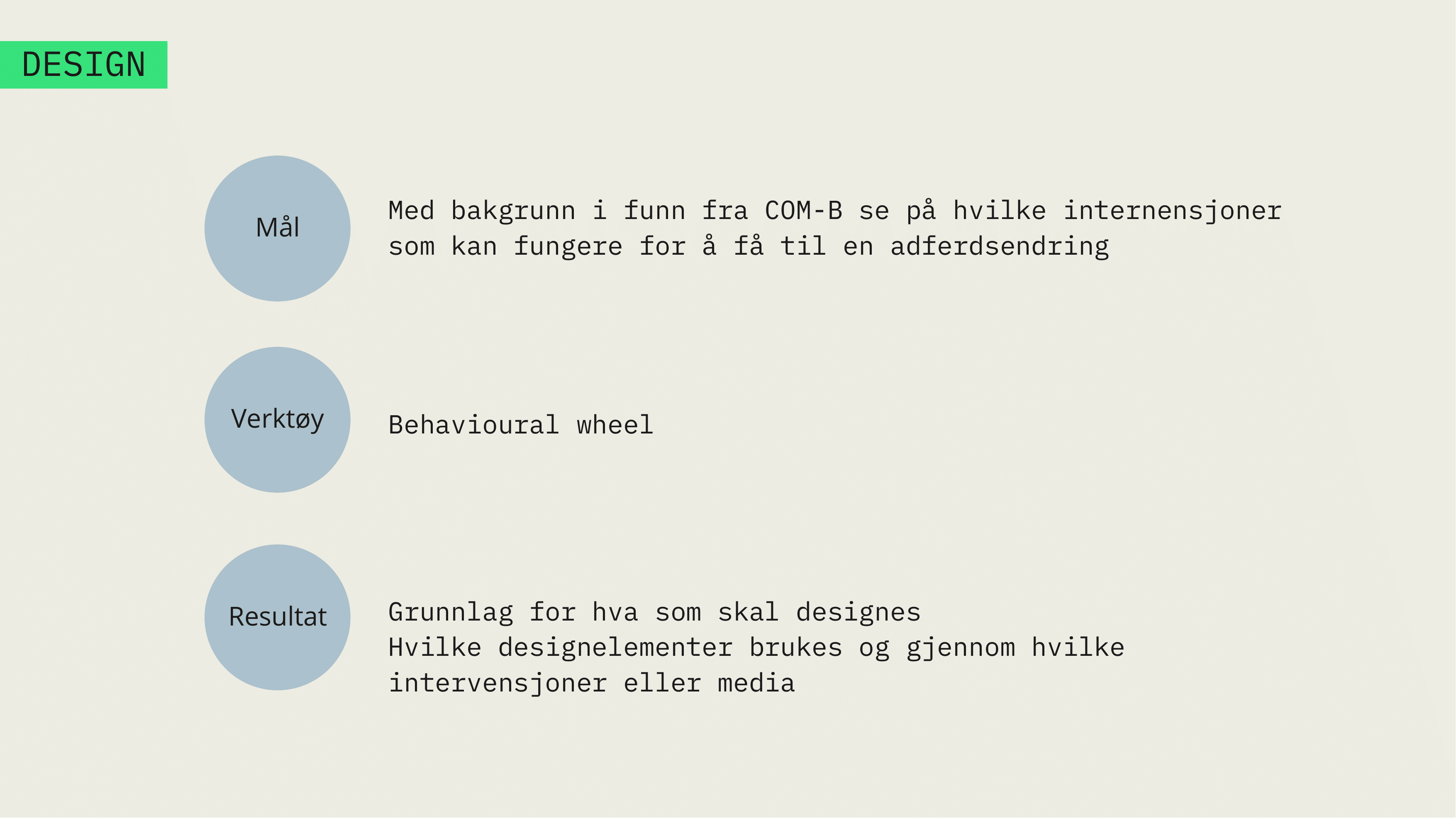
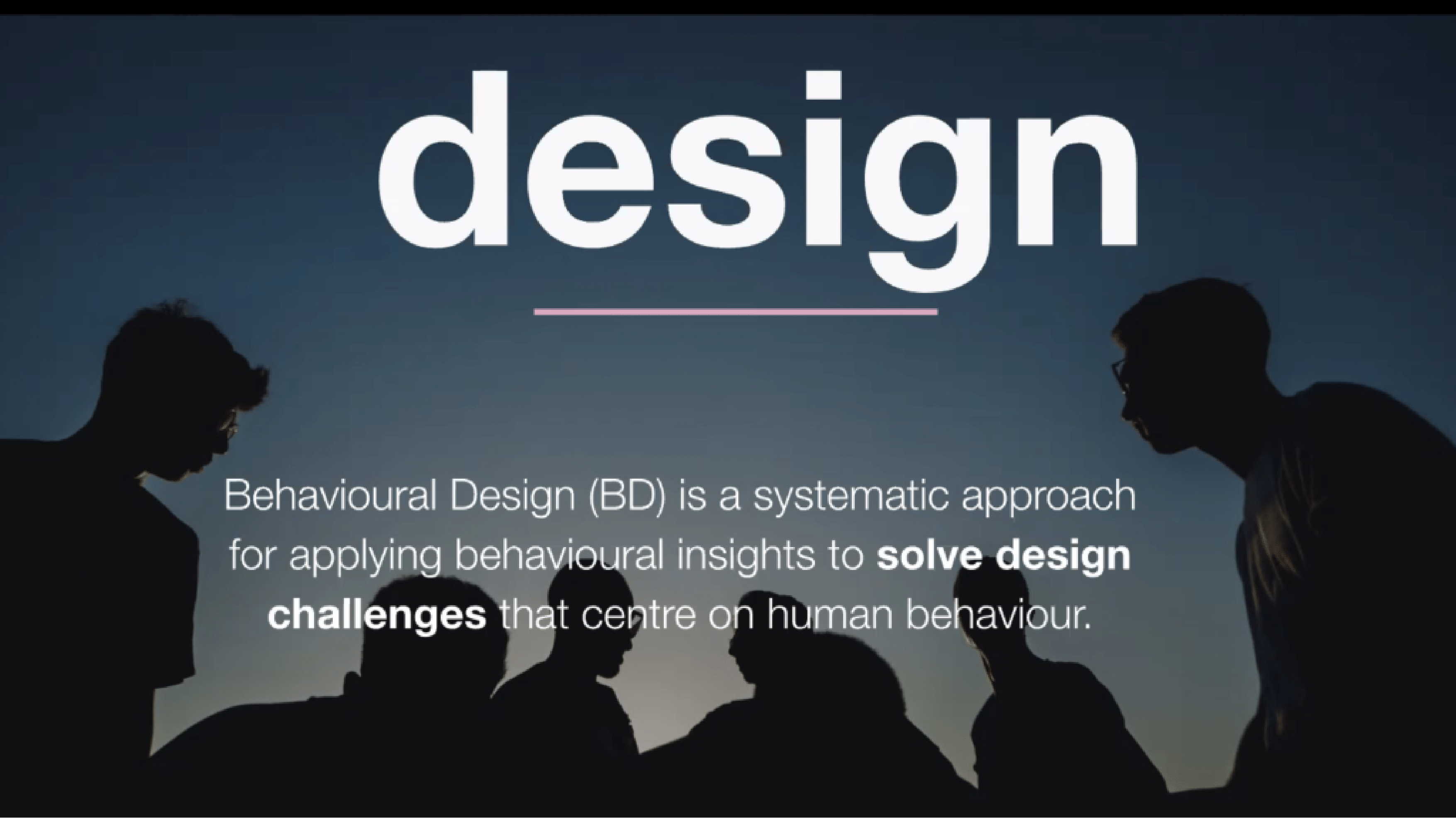
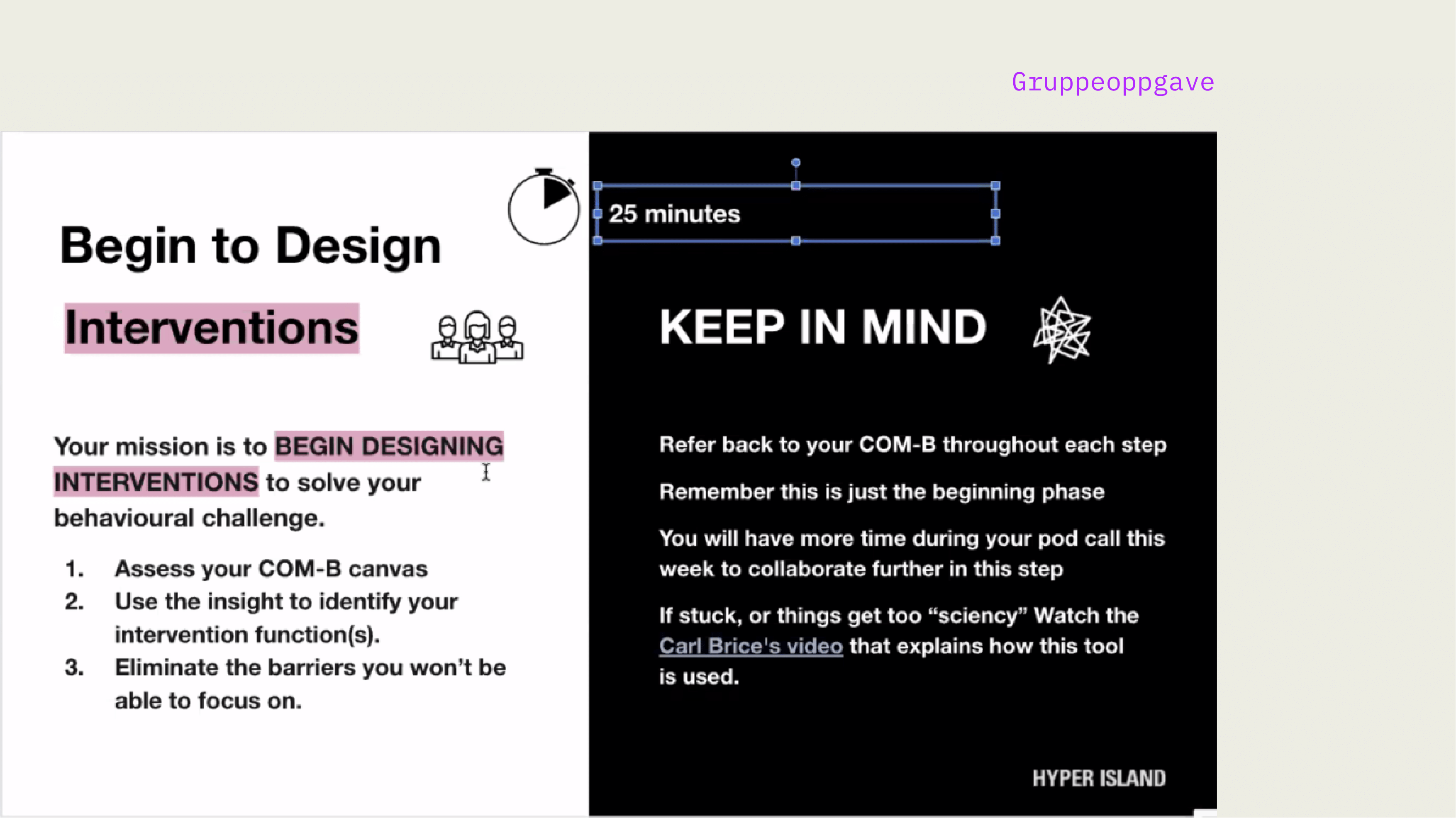
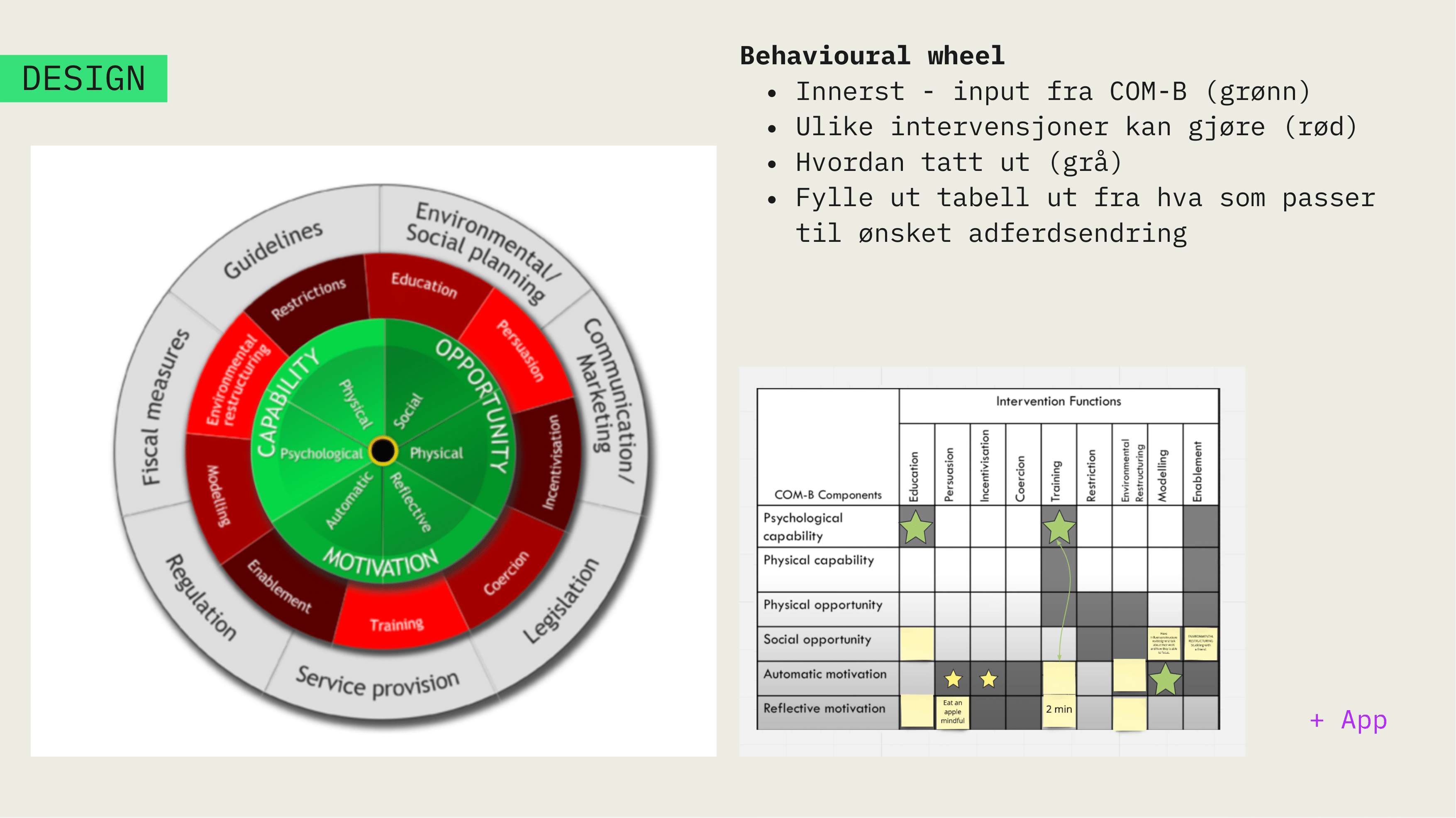
2022 – 2024 The Dock is Accenture's innovation hub in Dublin. Over eighteen months I ran a series of single training days with the design team, built around the phases of the sprint.
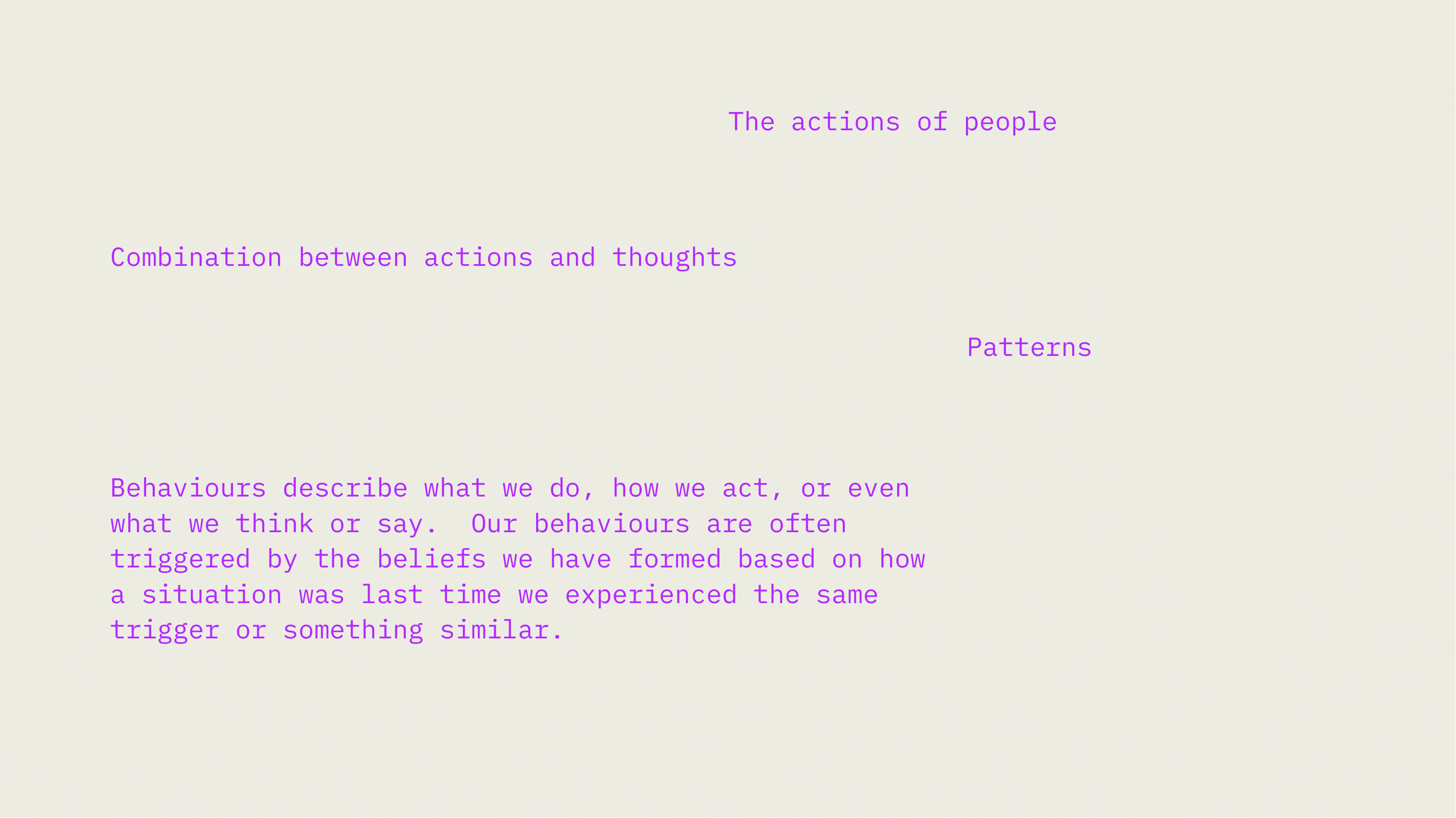
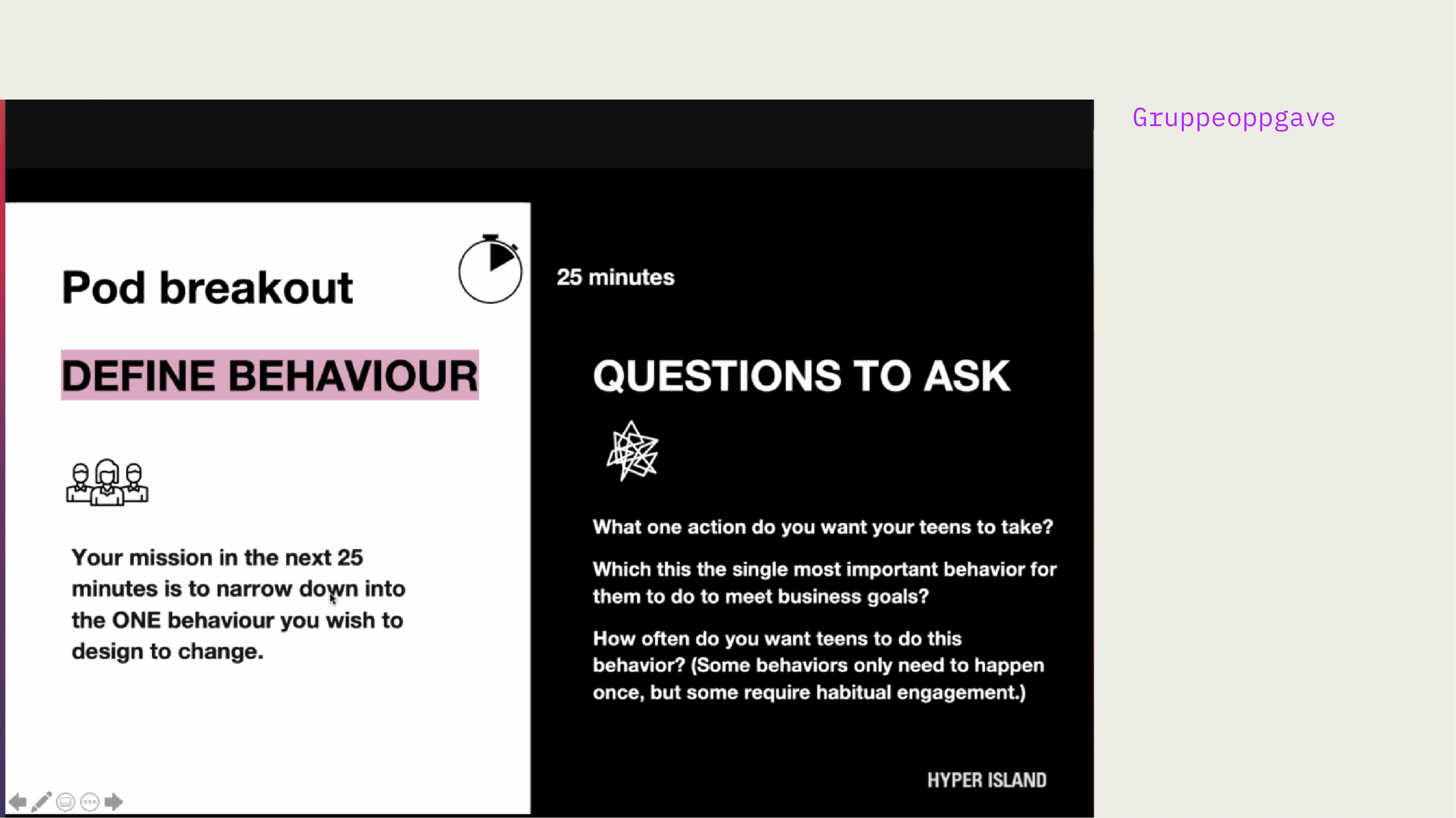
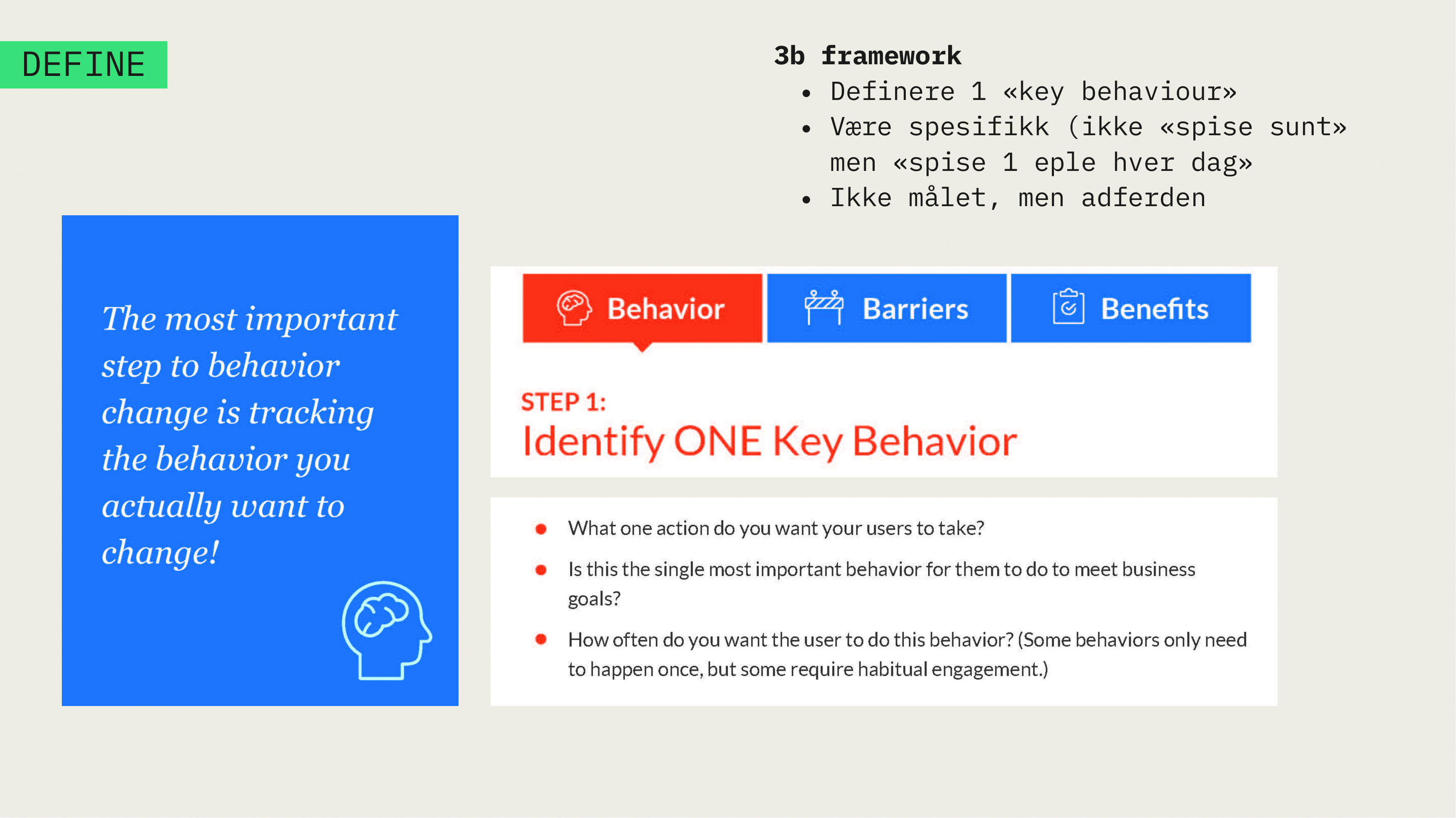
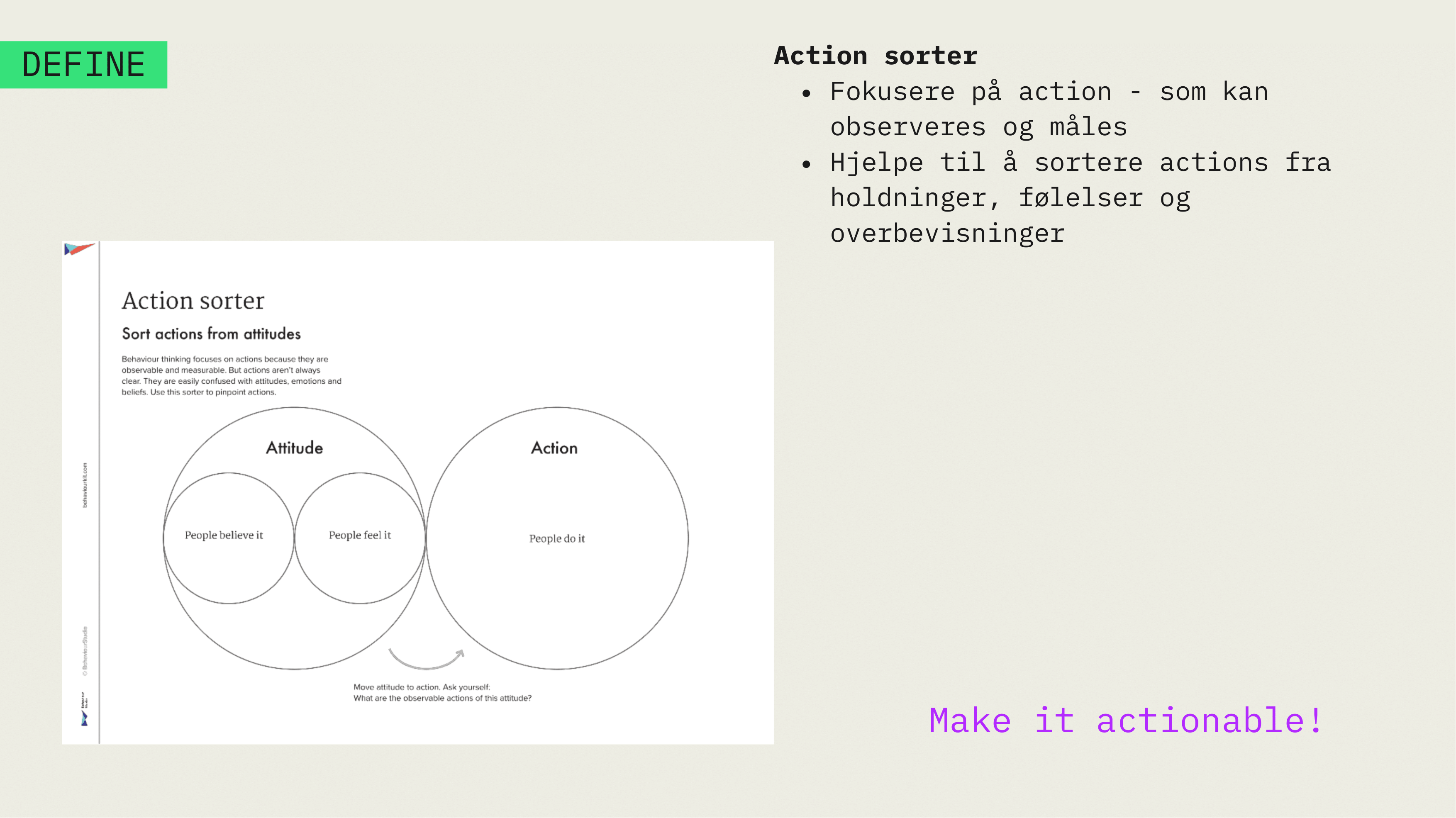
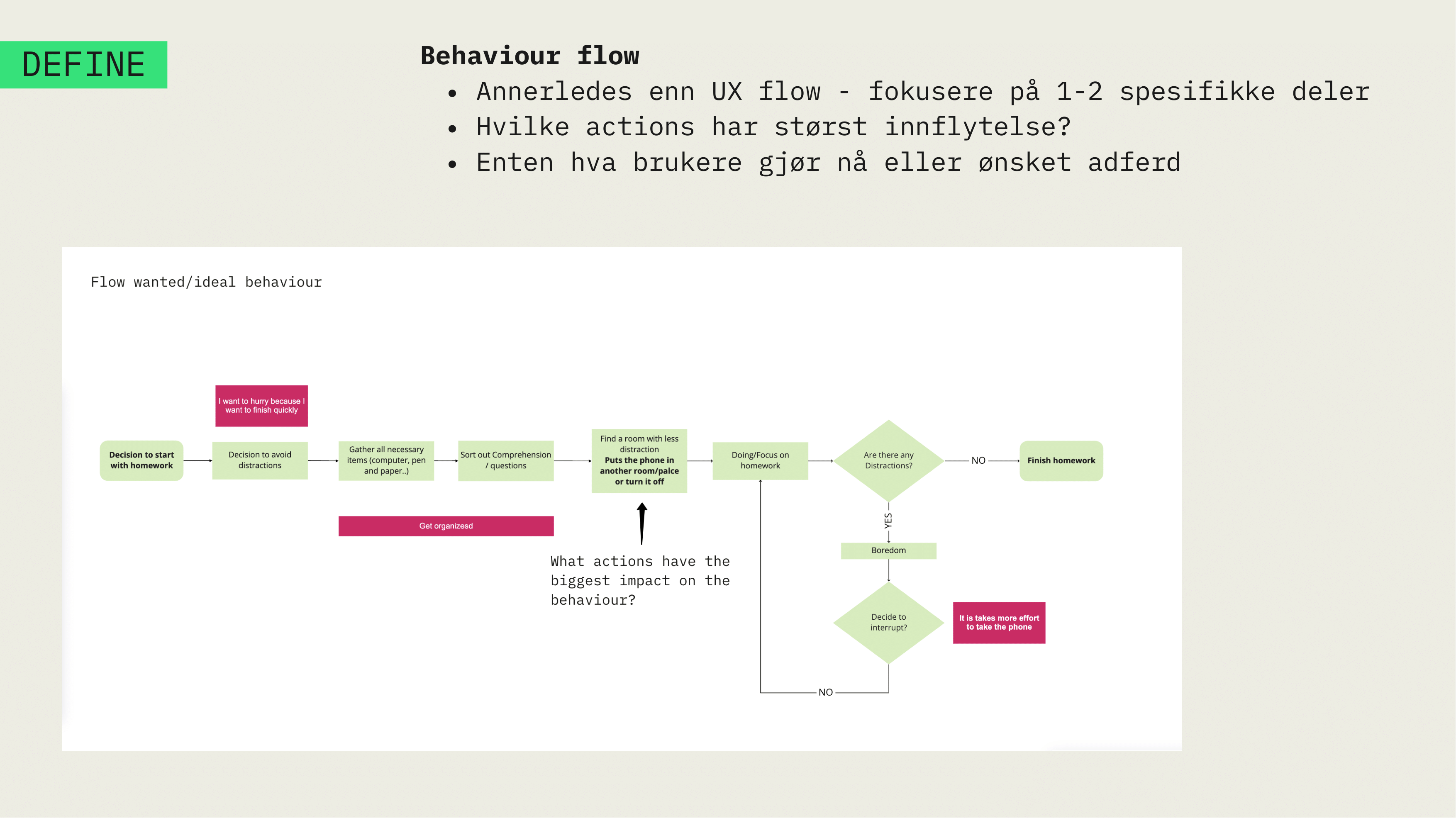
The aim was not to teach them about behaviour. It was to make behaviour something they could work with directly, in the messy middle of a project, where the decisions actually get made.
Some of the best training we've had as a team.
Twenty to twenty-five senior designers, design leads, researchers and creatives.
Who this is for
Health tech, government, consulting, learning, climate, retail. Product teams, policy teams, change teams, and the people who train them.
The shape is the same in all of them. A plan that needs somebody to do something, and a moment nobody has looked at yet.





The whole team is now putting the user first. Something we've struggled with.