
Lauren A. Kelly
Behaviour rarely arrives labelled as behaviour.
It appears as poor adoption, resistance, trust, confidence, culture, habit, or a process people keep quietly avoiding. It sits inside the work, tangled up with everything else.
Most teams do not have the time or reason to spend years studying it. They have a product to ship, a service to run, a change to deliver.
That is why Alterkind exists.
Run by Lauren A. Kelly
Lauren is a behavioural designer, strategist and teacher with fifteen years across behavioural science, service design, product strategy and organisational change. She created Behaviour Thinking® and founded Alterkind to make behavioural expertise useful inside real work.
Most clients work directly with her. When a project needs more capacity or a different specialism, trusted researchers, designers and facilitators join the team. Lauren remains responsible for the work.
Start a conversation
Built through practice
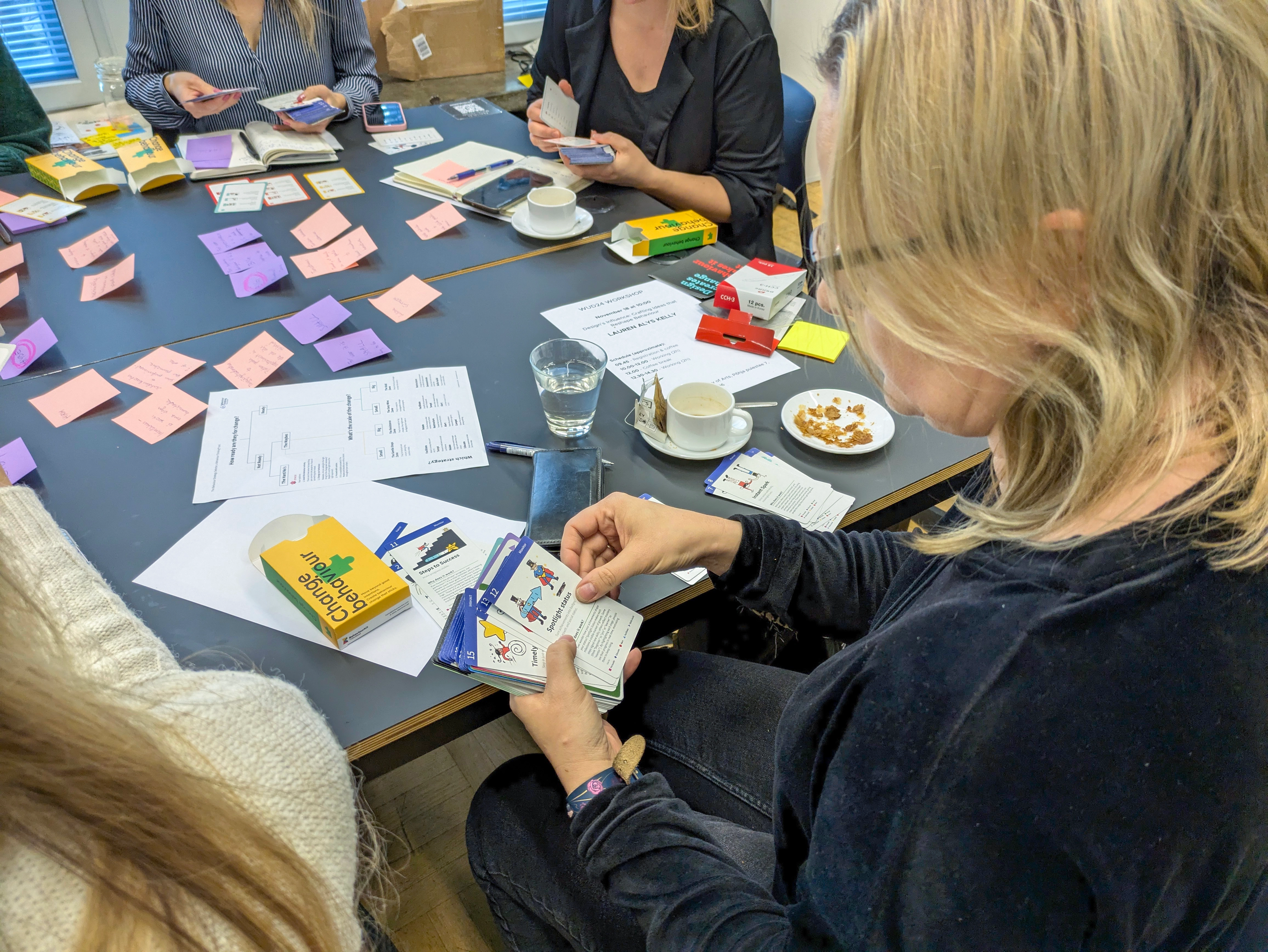
The method developed through work with product teams, consultancies, public bodies and universities.
It has been used with organisations including Microsoft, Accenture, PwC, Infosys Consulting, the World Economic Forum and the Estonian Government. It has been taught at Hyper Island, Politecnico di Milano and Manchester Metropolitan University.
More than 250 professionals have trained with Alterkind. Across thirteen cohorts, 93% were using the tools within thirty days.
The useful part
Behavioural science can produce several credible explanations for the same problem.
The useful part is working out which one deserves the next decision.
Alterkind helps teams make the behaviour specific, examine what is shaping it, and decide what should happen next, without pretending the answer is simpler than it is.
“Lauren’s ability to simplify complex theories and turn them into actionable strategies is incredible. I now see projects from a whole new perspective.”
Working together
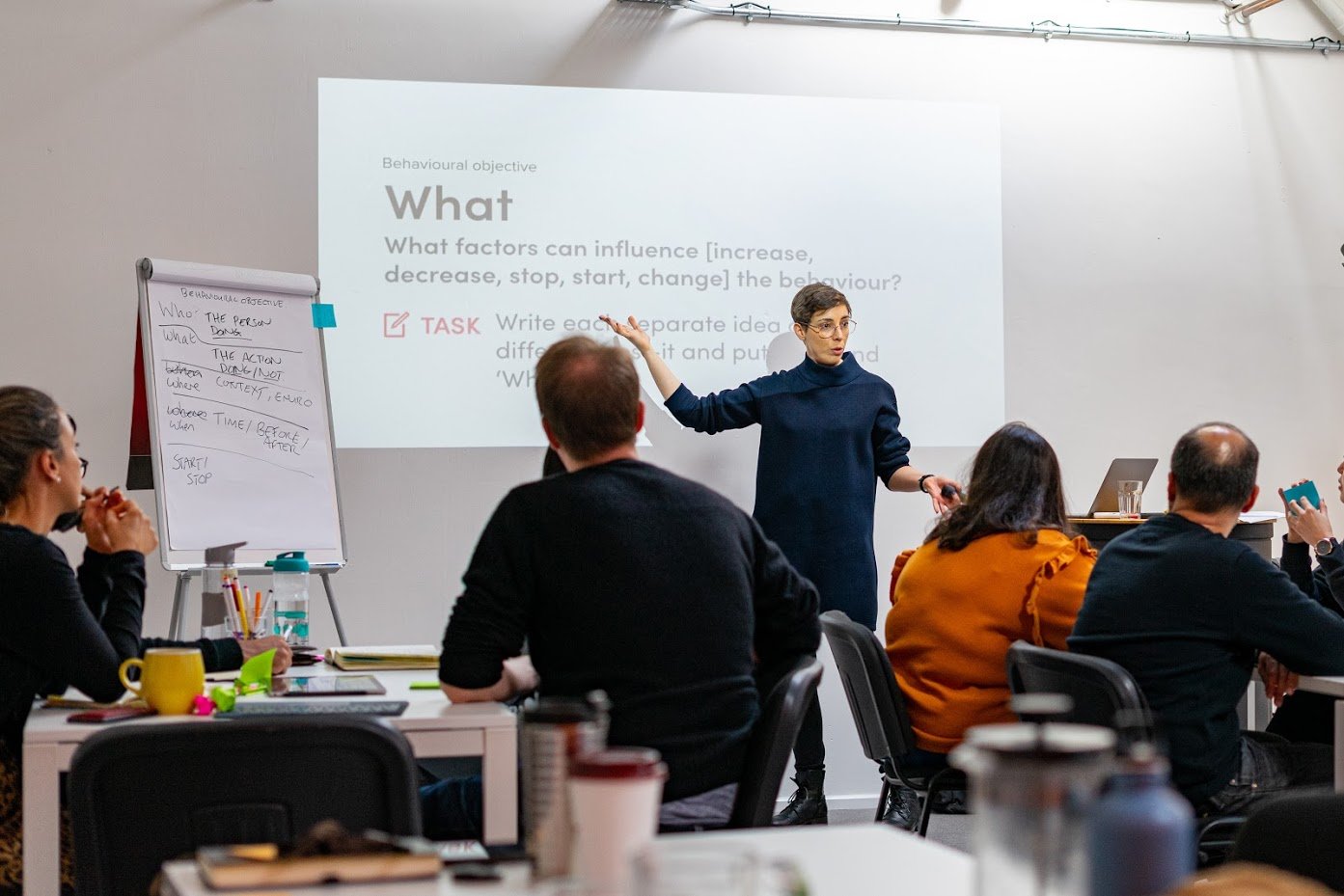
The work stays close to the problem and the people making the decision. Sometimes a focused session is enough. Larger questions need research, design or support through delivery.
The engagement should be no larger than the problem requires.